
Part 1: Packing for an epic Leh and, Ladakh trip (opens in a new tab)
Part 2: Manali to Leh Roadtrip (opens in a new tab)
Part 3: Exploring Leh, the touristy way (opens in a new tab)
Part 4: Land of Baltic People, Turtuk (opens in a new tab)
Part 5: Nubra – The Cold Desert of India (opens in a new tab)
Part 6: Pangong Lake (opens in a new tab)
On day 1 in Leh, as Vinni and I were arranging our shared cab, I suggested adding Pangong Lake to our itinerary. Vinni, who came to Ladakh to participate in a high-altitude marathon, expressed her reservations, saying it’s a touristy and over-hyped destination. Her response resonated with me, as I, too, prefer to steer clear of touristy spots and crowded places. However, despite my limited knowledge of the lake, I attempted to convince her of its potential charm and unique aspects.
Imagine waking up to the gentle sound of lapping waves against the shore and the panoramic view of the sun rising over the Himalayas.
Where heaven and earth unite in rare.
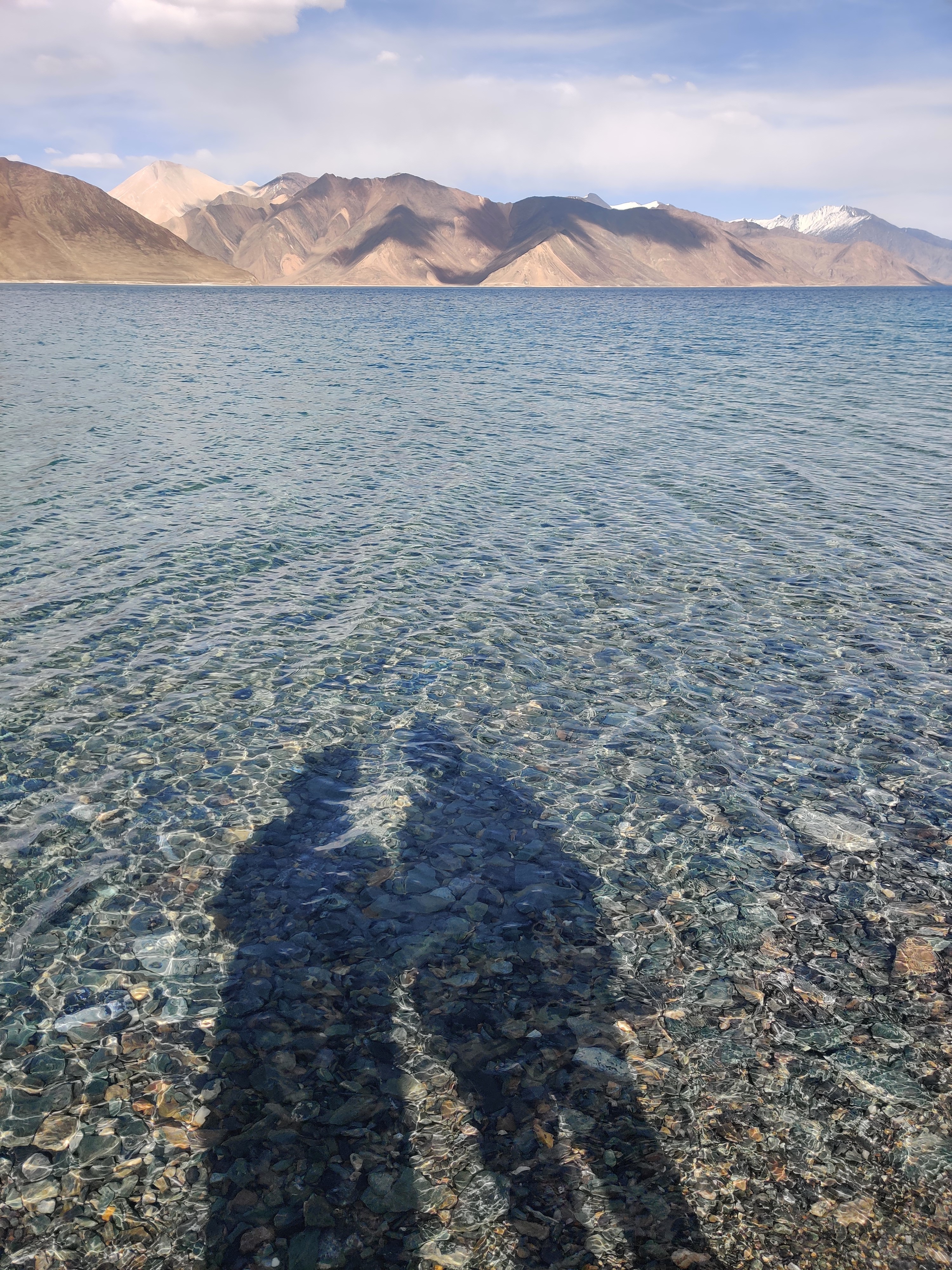
Where ever-changing hues of blue and green adorn the water, creating an otherworldly atmosphere.
She said – Okay, let’s go!
Pangong Lake is a high-altitude lake in the Ladakh region near the India-China border. Around 40% of the lake is with India, 50% with China, and 10% in the disputed area. It is a combination of salty and sweet water lakes. It is also one of the most visited tourist spots in Ladakh.
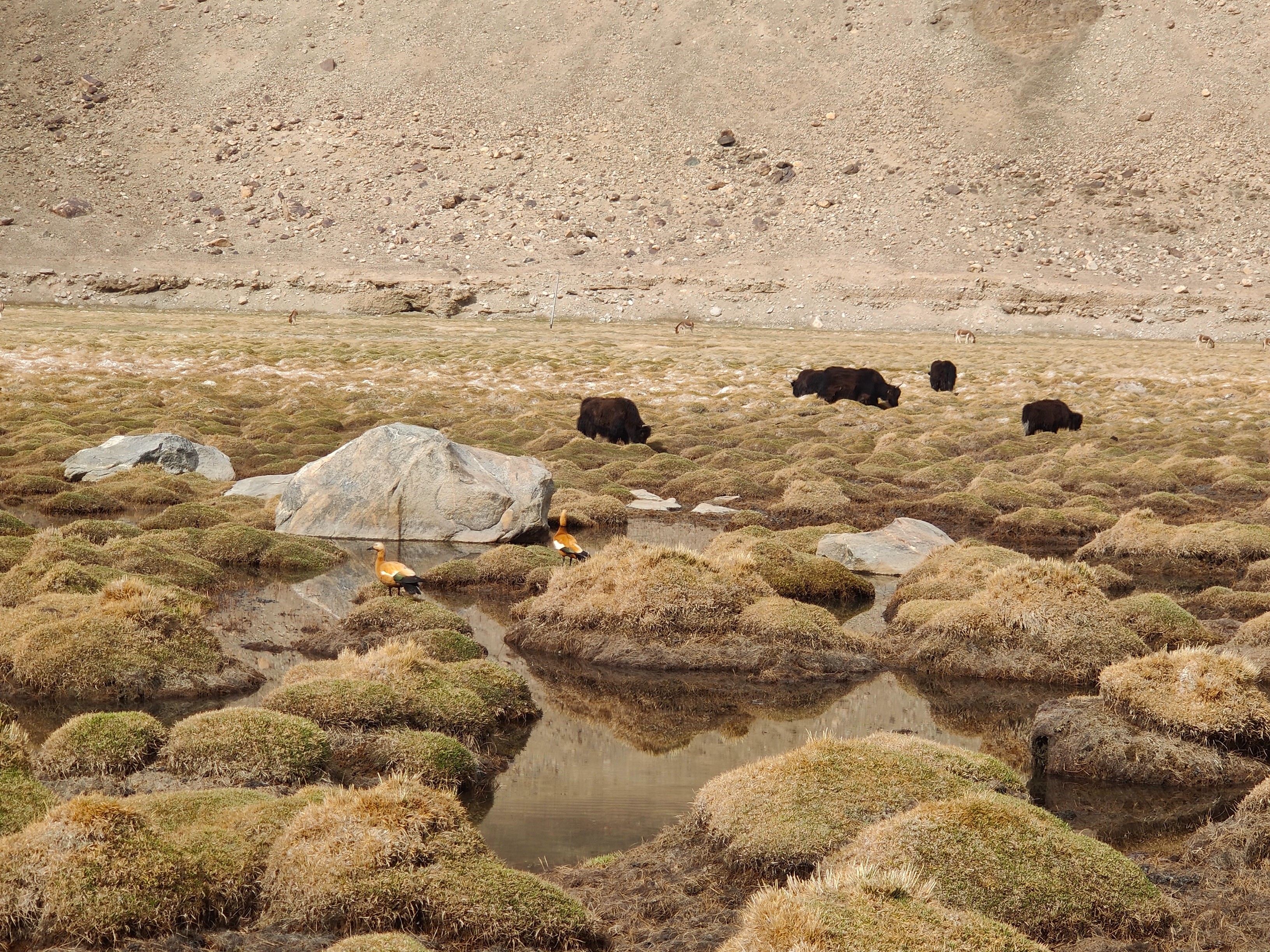
Pangong Lake shot to fame after being featured in the blockbuster Bollywood movie “3 Idiots.” The serene landscape and the lake’s pristine waters served as the backdrop for several memorable scenes. Pangong Lake is not only a visual delight but also a habitat for numerous migratory birds. The region’s avian population includes bar-headed geese, Brahmini ducks, and several other species.
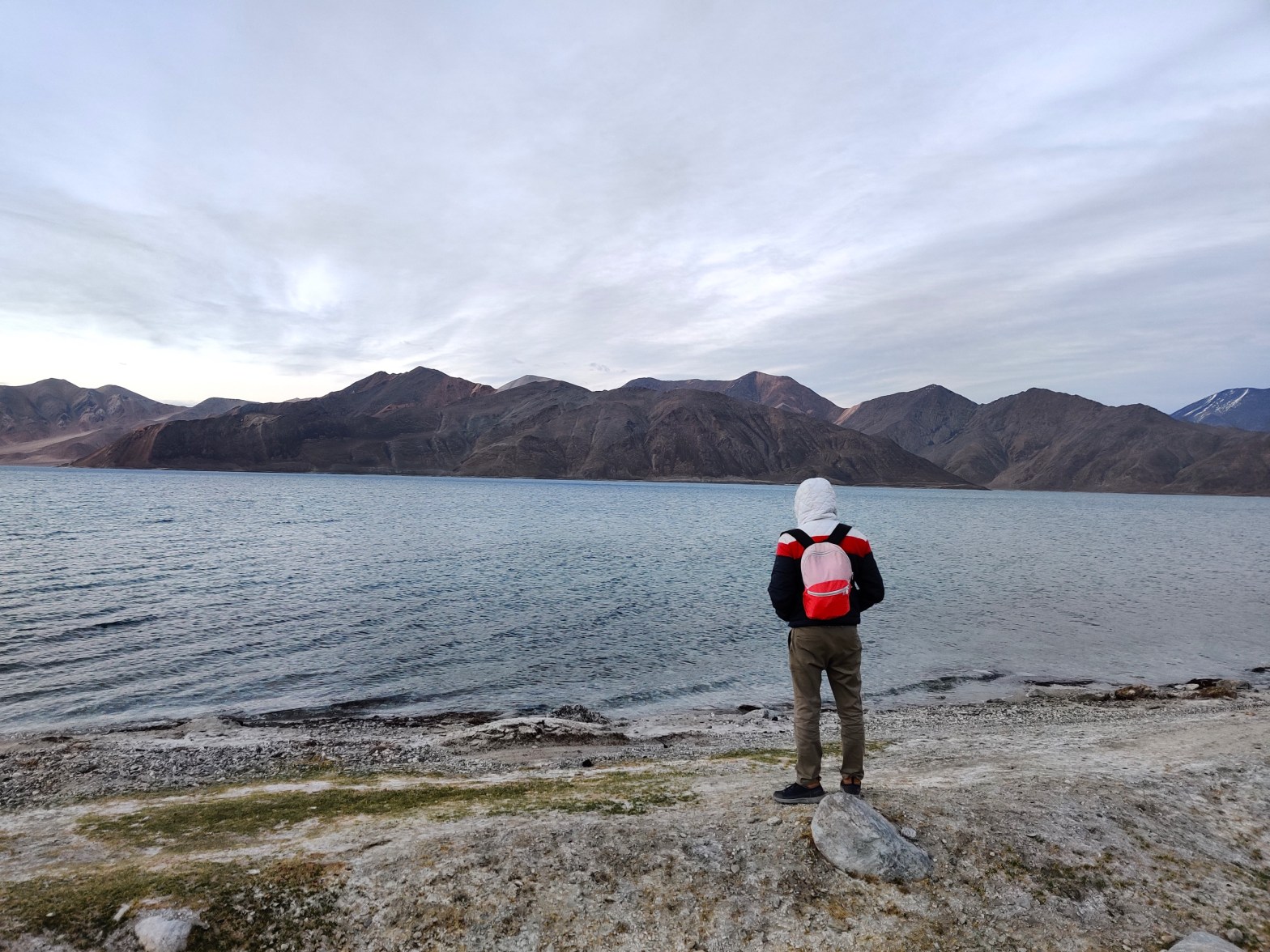
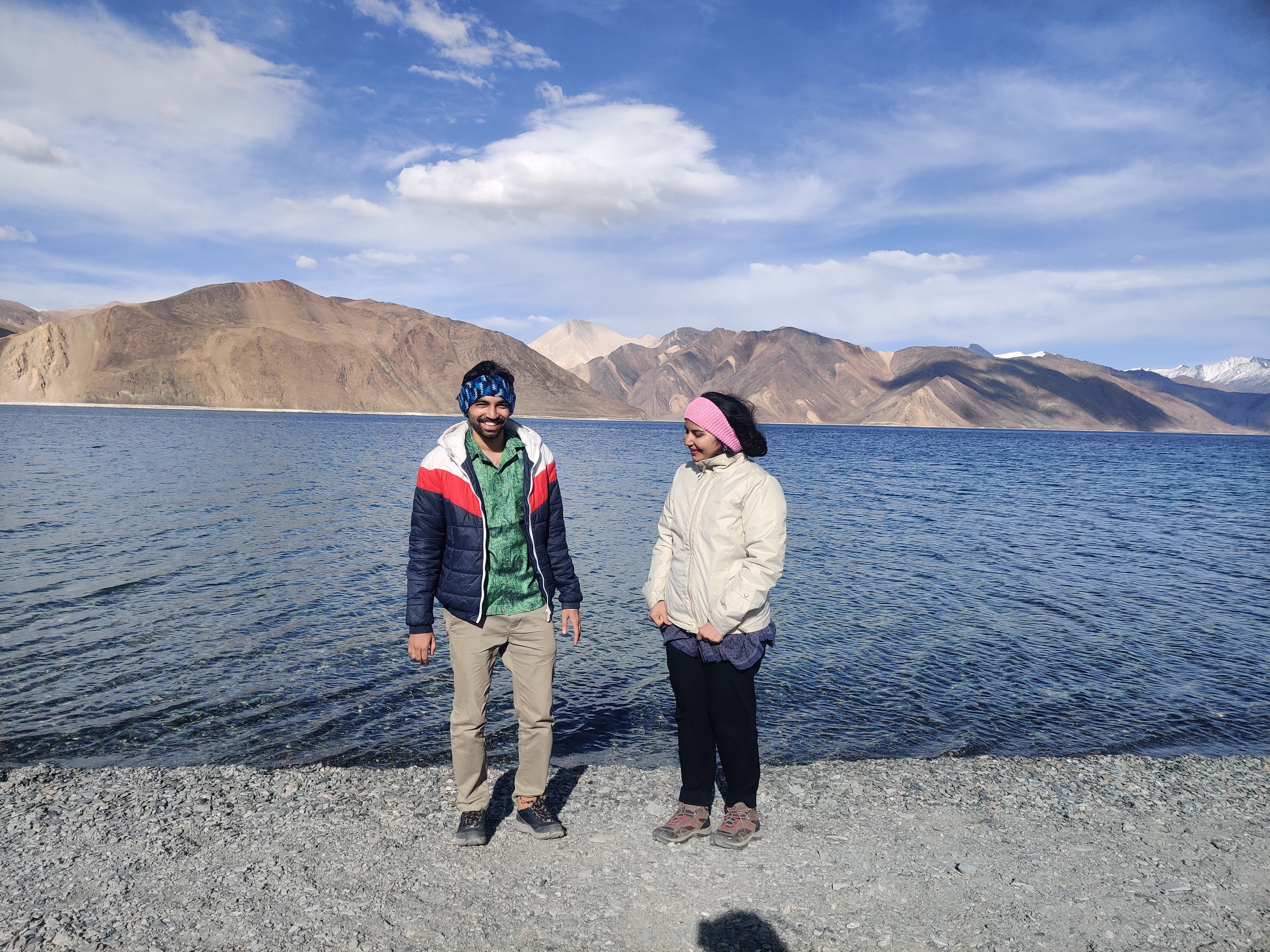
As we arrived at Pangong Tso, we found ourselves entranced by its captivating beauty and the myriad shades of blue. To be very honest, a blog, vlog, or video is insufficient to describe the beauty of Pangong Lake. In all sincerity, a blog, vlog, or video can hardly do justice to the incomparable beauty of Pangong Lake.
Best time to visit Pangong Tso
May to September is an ideal time to plan a trip to Pangong Lake. The lake remains unfrozen and the temperature is also mild. It is also considered as peak tourist season of Ladakh.
Pangong Lake transforms into a magical wonderland during the winter months when temperatures drop drastically. The lake freezes, creating an ethereal landscape that is no less than a fairytale setting. A few travelers also visit during winter to see the enthralling frozen Pangong Lake.
Important: The tents are set up during tourist season only (May – September). You have to rely on limited homestays around Pangong Lake during winter.
How to get to Pangong Lake
Pangong Lake can be planned as a day trip from Leh, and it takes around 4-5 hours to reach Pangong Lake. A long drive on the scenic road is the only way to get to the lake. An alternative idea could be to allocate an extra day for the Nubra Valley trip to make room for Pangong Lake. That way, we could plan a circuit from Leh to Nubra Valley, then Pangong, and finally back to Leh. It sounds like a great plan!
You can rent a car/bike from any rental shop near Mall Road or bus stand. Self-driving car services are not allowed in and around Leh.
Where to stay near Pangong Lake
Since we hadn’t made any prior reservations, and the peak season was just about to begin, the locals were setting up tents to accommodate incoming tourists. After exploring our options, we decided on a homestay called Sasoma Homestay, which interestingly wasn’t listed on Google Maps. Despite the unconventional listing, we found the room to be quite clean and comfortable.
- The minimum fare for accommodation, including food for a couple is INR 2500/-.
- The area comes under a wetland so camping is illegal near the lake. Did I just break your dream of camping next to a blue water lake?? You can pitch the tent in a nearby village.
- Acclimatization takes a toll on the body hence it’s crucial to stay warm at such an altitude. The temperature drops significantly at night.
- Most tourists plan it as a day trip from Leh. We highly recommend spending at least one night staying near the lake.
- Try to book accommodation in advance, rooms are usually sold out in peak season.
- Instead of booking a stay near Pangong Lake view, drive towards Spangmik and Man Village to escape the crowd.
- Power supply is irregular ( despite of luxurious tent stay or a budget room) – only available in evening for limited hours. Keep this in mind and charge your mobile and other gadgets.

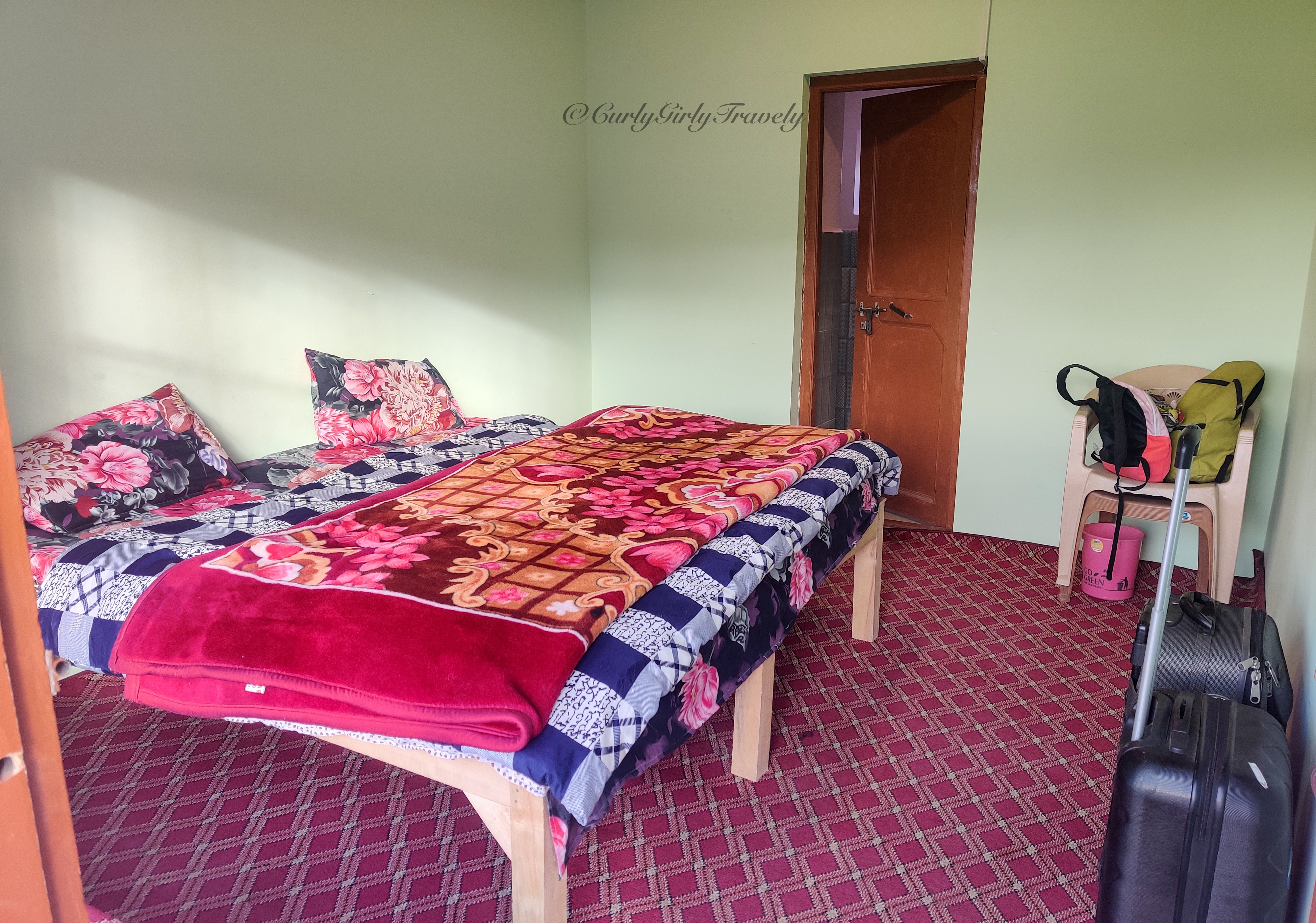
Pangong Lake – Just before sunset
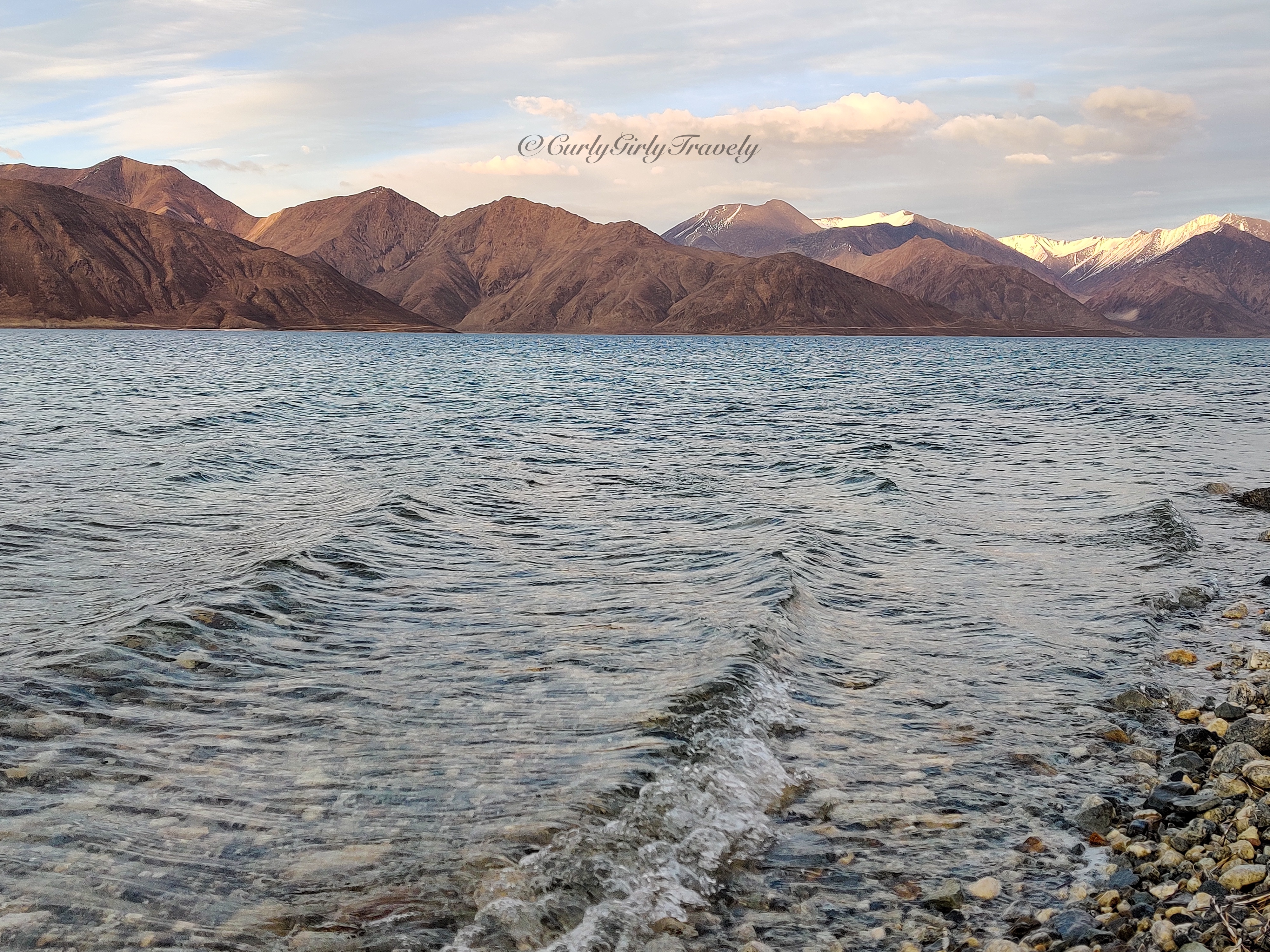
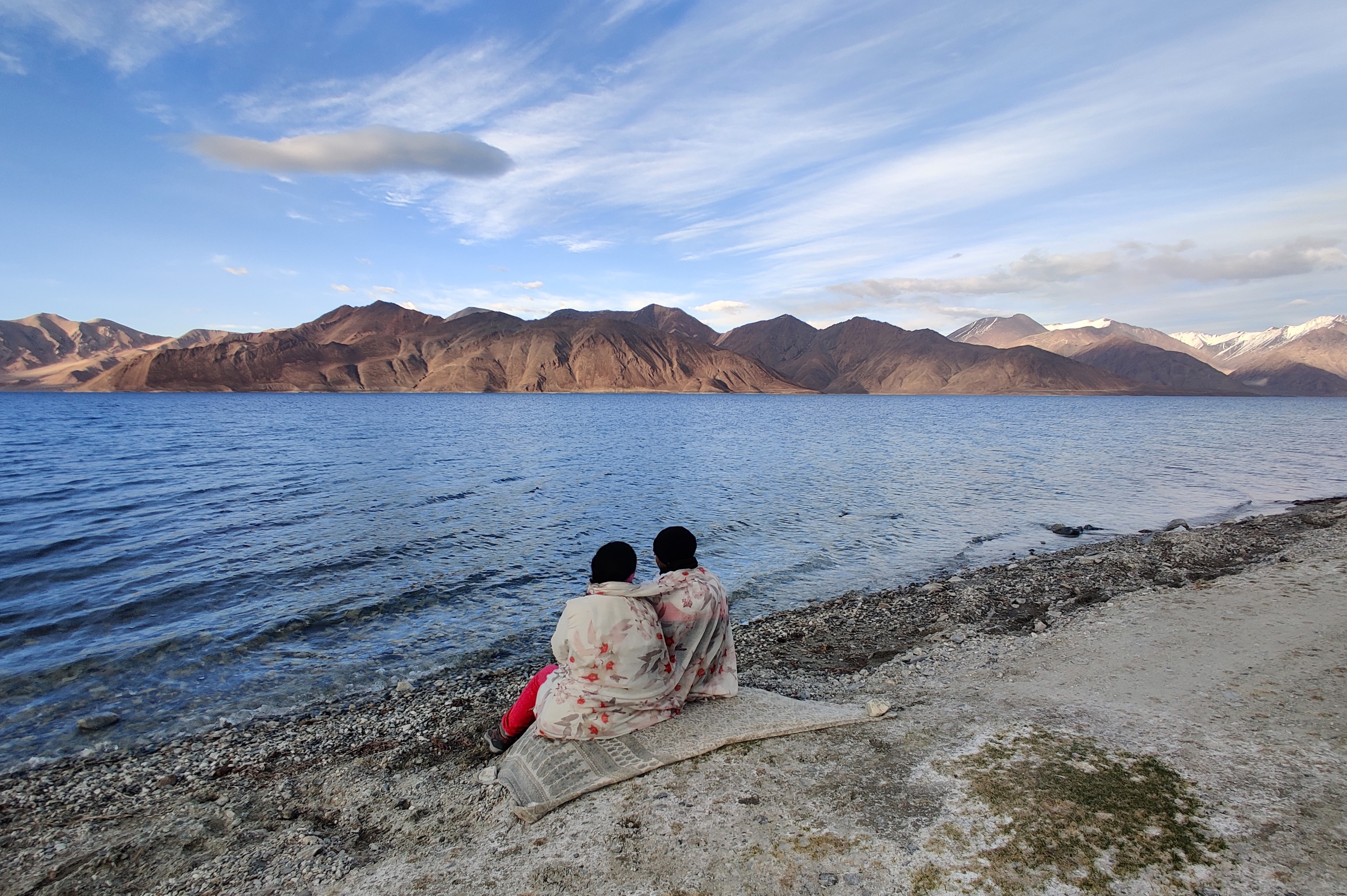
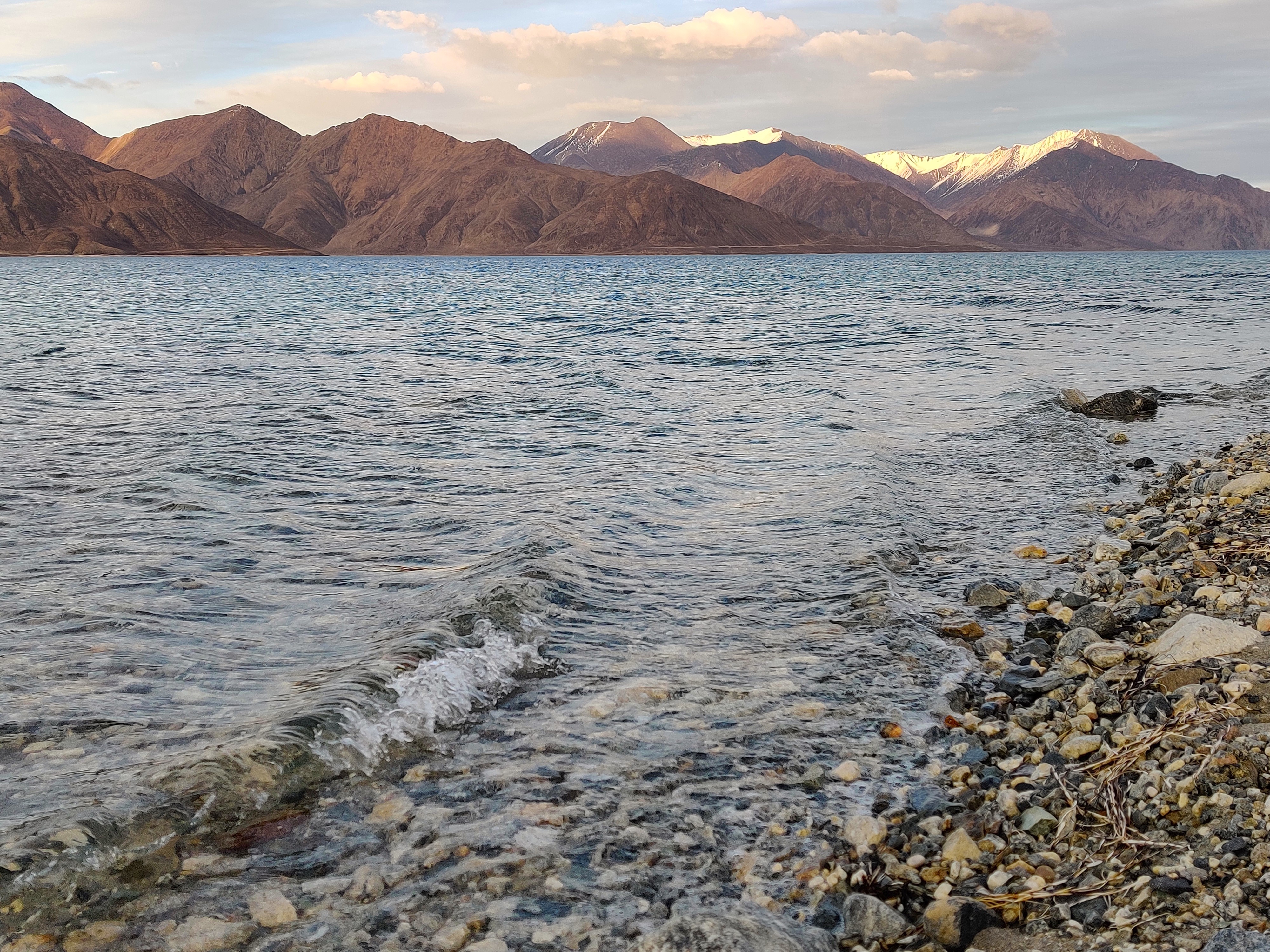
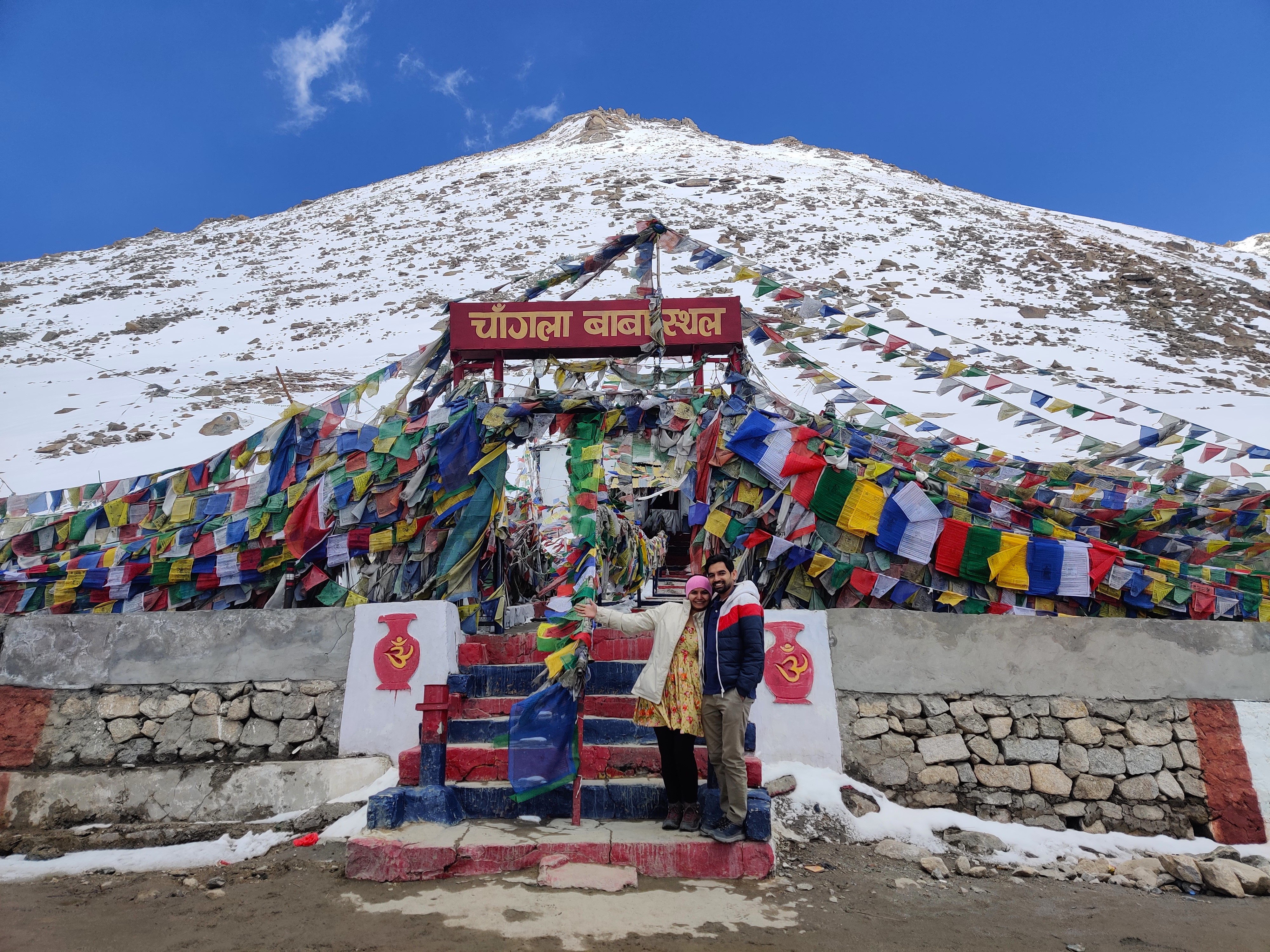
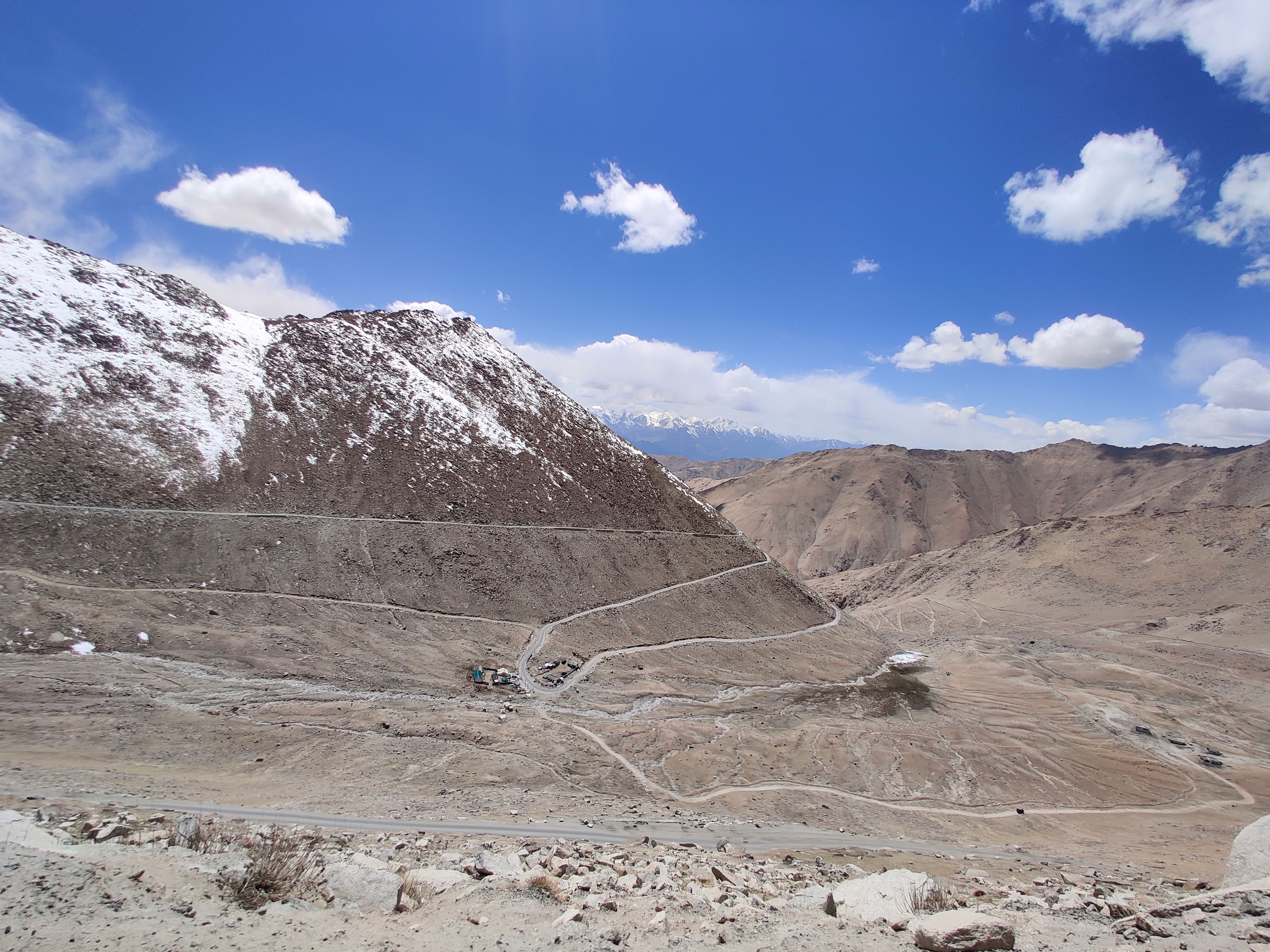
Visit the third-highest motorable road – Changla Pass
As we gradually ascended, the landscape transformed into a surreal canvas, adorned with shades of brown, green, and white. Prayer flags fluttered in the wind, offering prayers for safe journeys, adding a spiritual touch to the already magical ambience.

Pangong is one of the most stunning lakes out there! If you’ve already visited or have it on your travel list, do share your story—I’d love to know!
 CurlyGirlyTravely
3 thoughts on “Guide to Explore Pangong Lake | Where Heaven kisses earth”