
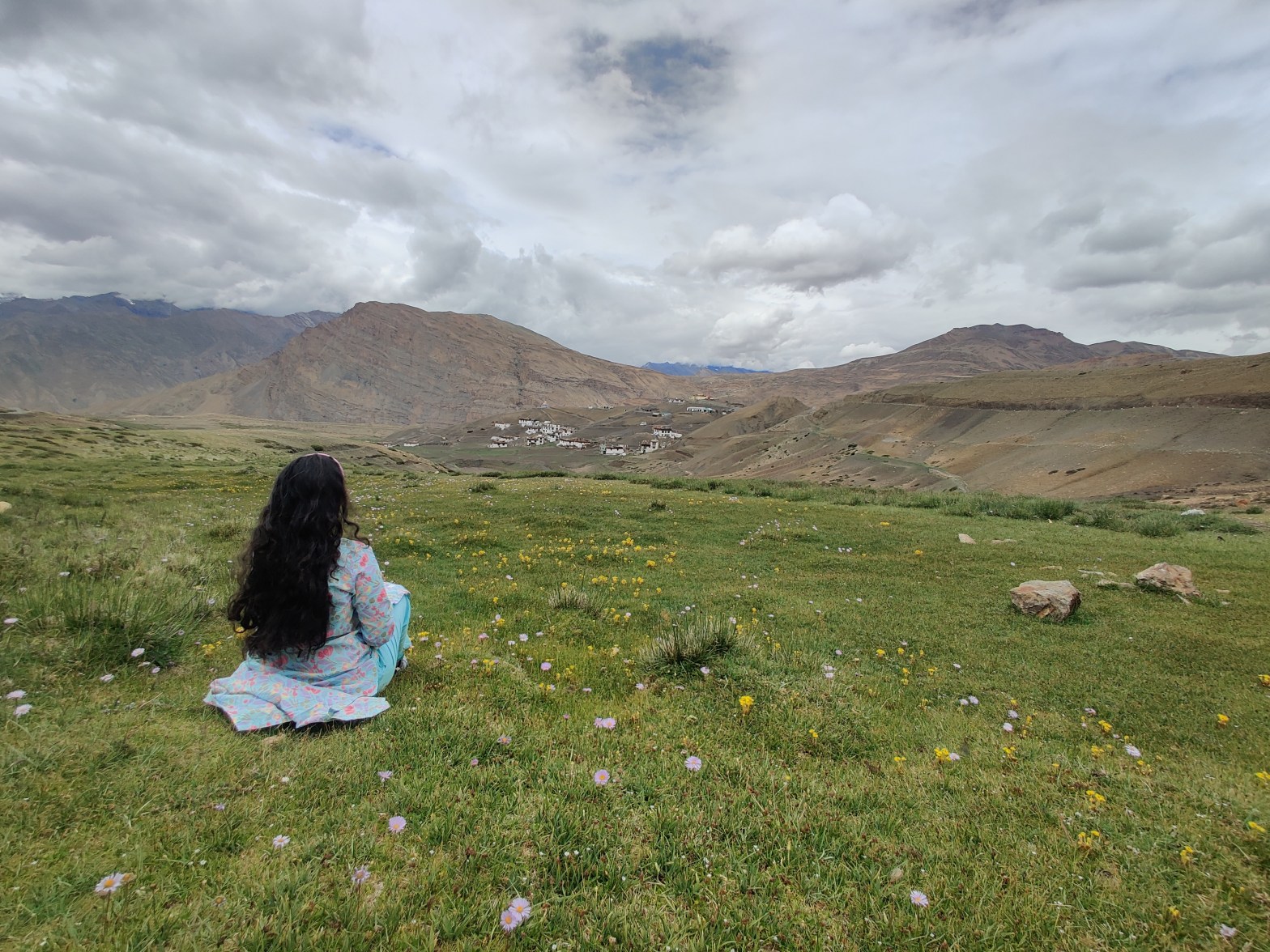
A world within a world and a place where Gods live.
Description of Spiti by Rudyard Kipling in Kim
We started our journey from Manali right when the clock hit 5:25 AM. Despite having reserved a local auto for transportation to the bus stand, our driver failed to show up or respond to our calls. Classic, right?
No worries, though. We weren’t about to let that throw us off track. We decided to ditch the waiting game and hoofed it to the bus stand ourselves. And guess what? We went all-in and took a shortcut – followed the exact path the bus takes when it leaves the stand. Let me tell you, we made that sprint like we were in an action movie. Huffing, puffing, the whole deal.
Just as we reached the stand, I caught a glimpse of our ride inching away from the platform. Panic mode – ON! But we weren’t about to let that bus pull a fast one on us. Reacting swiftly, we hastened towards the bus and managed to secure a place on board. There were just two empty spots left, and guess who snagged ’em? That’s right, us 🙂
Talk about cutting it close, though. Seriously, one more minute and we might’ve been out of luck. But hey, that’s the stuff adventures are made of, right?
Spiti is an absolute wonder, enchanting and otherworldly in its splendor. The name itself denotes its exceptional location, serving as a link between two distinct worlds, Tibet and India. Tucked away amidst the awe-inspiring landscapes of Kinnaur and Kunzum Pass, Spiti is situated in the magnificent terrain of Himachal Pradesh, serving as an essential link between the mesmerizing valleys of Lahaul and Spiti.
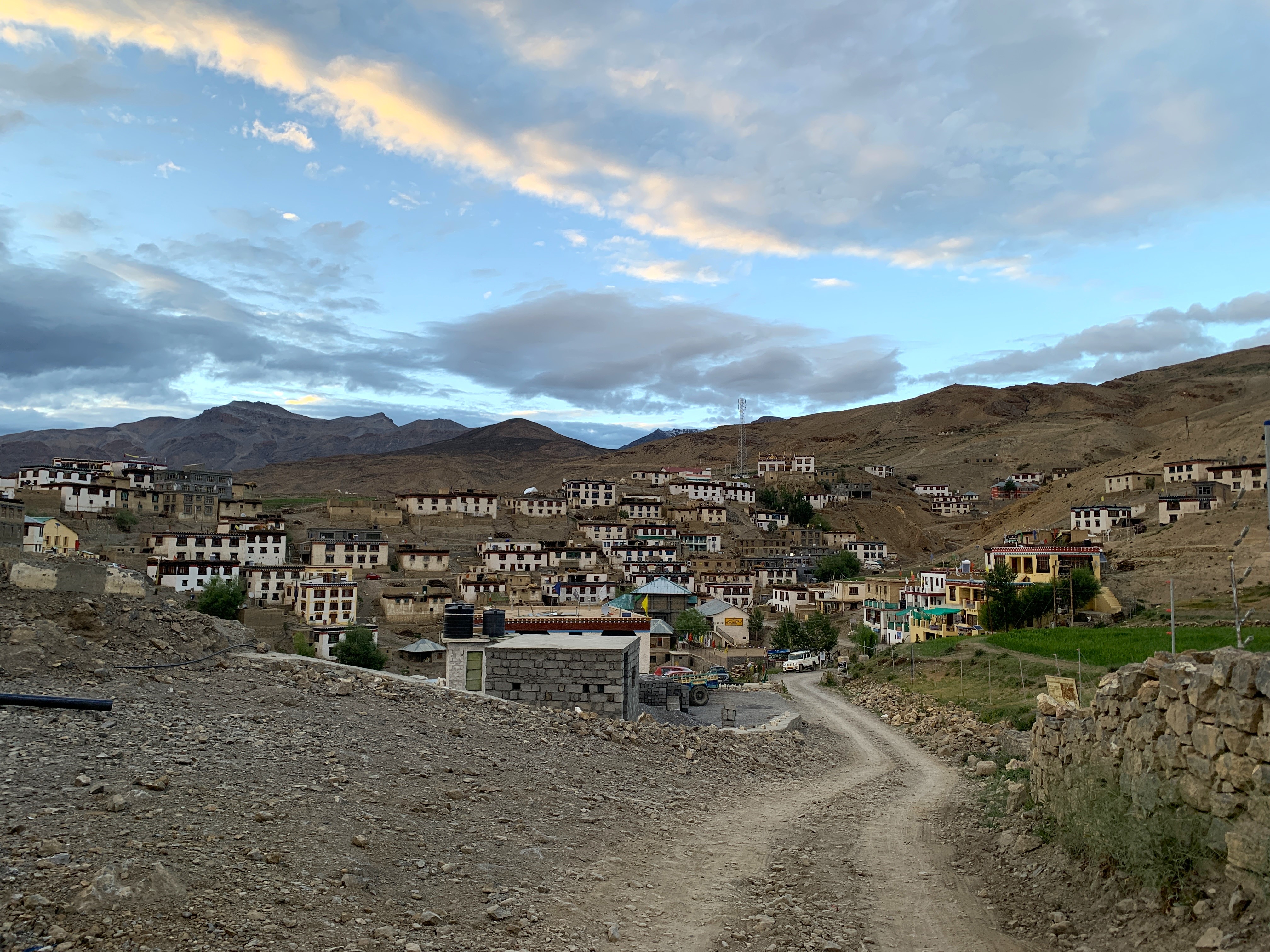
Day 1: Manali to Kaza
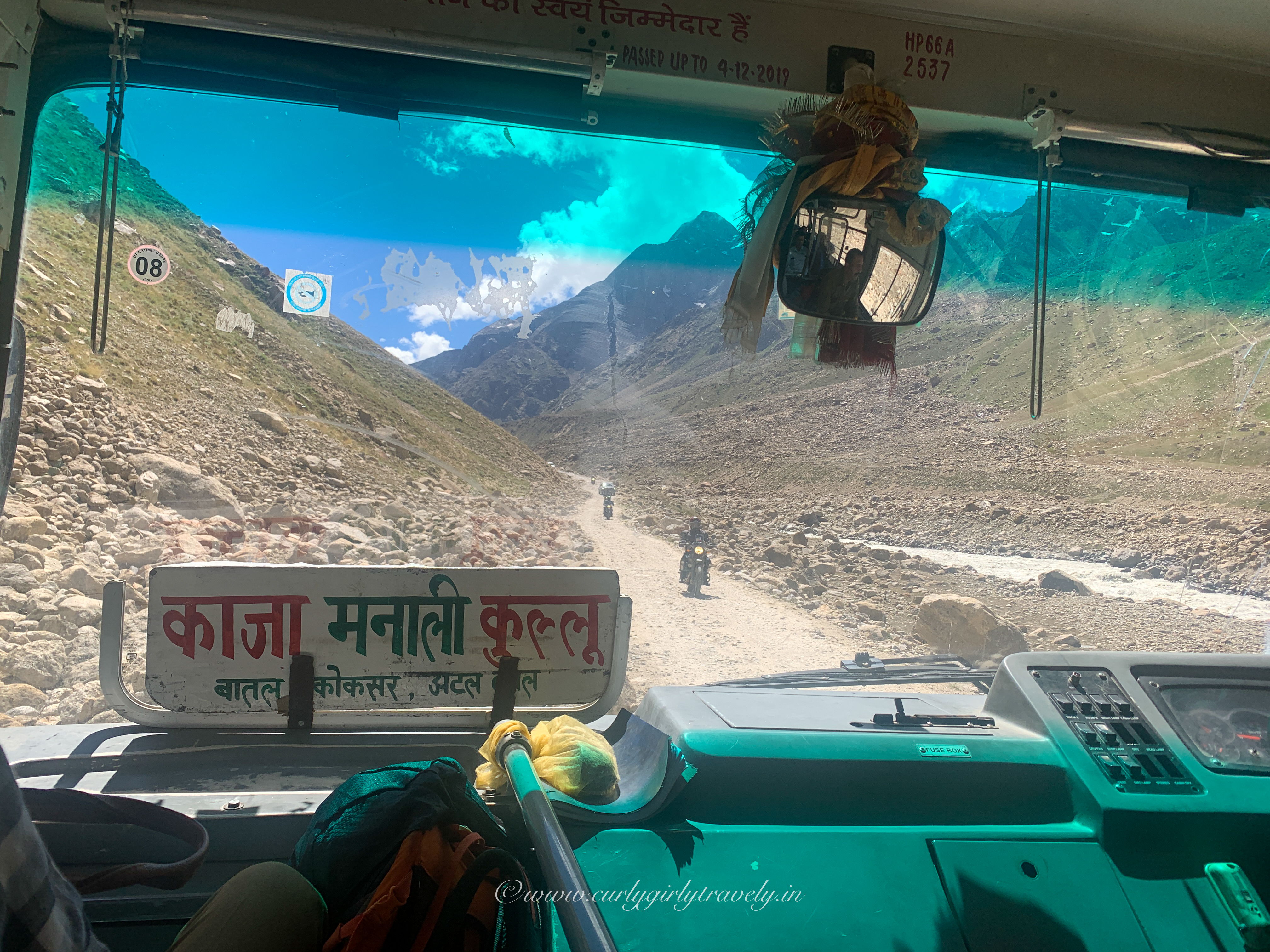
A 10-hour long bus ride, complete with bumps that could challenge a roller coaster. As much as that journey might have had our bones rattling, it’s the kind of experience one can’t just erase.
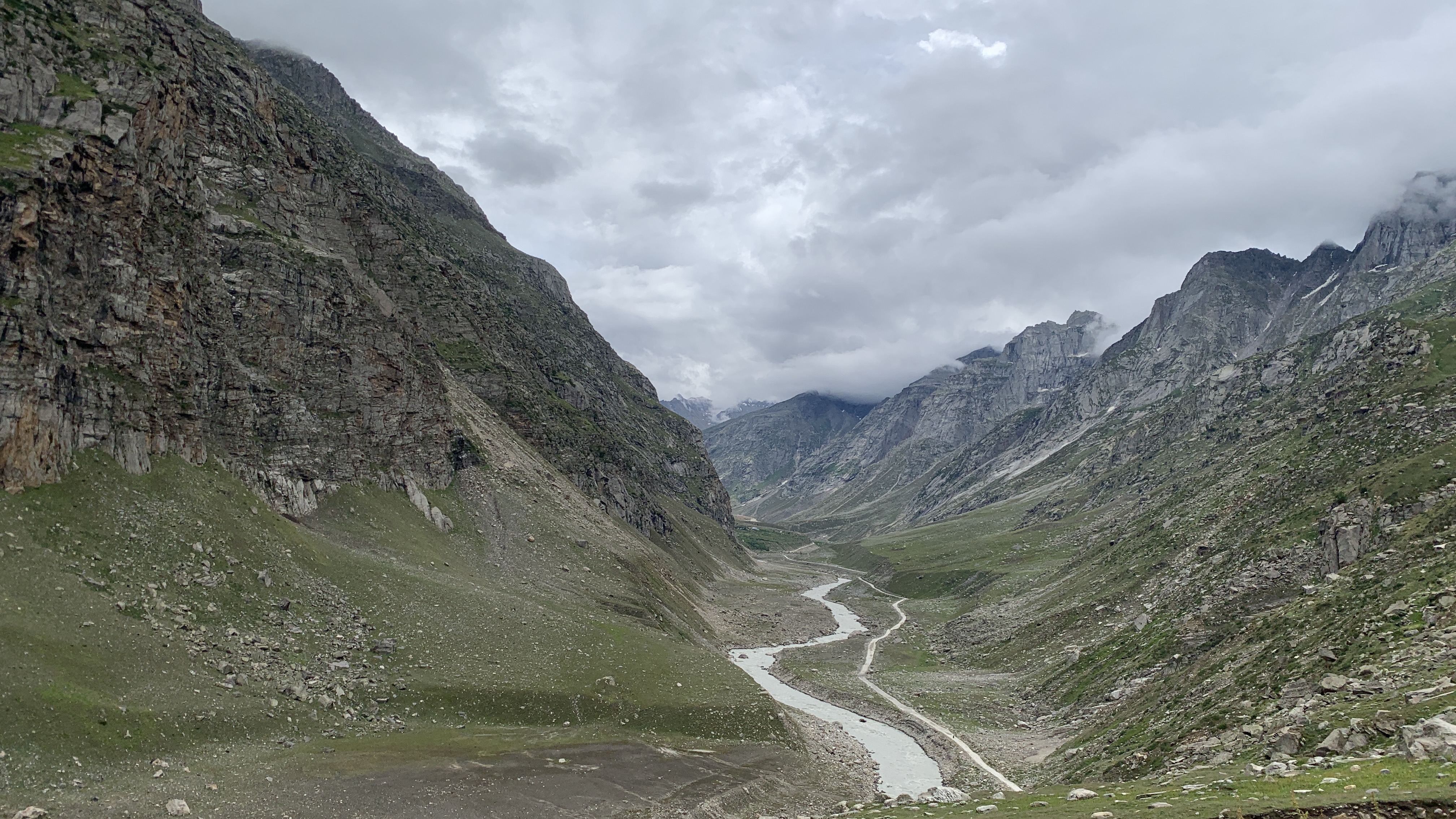
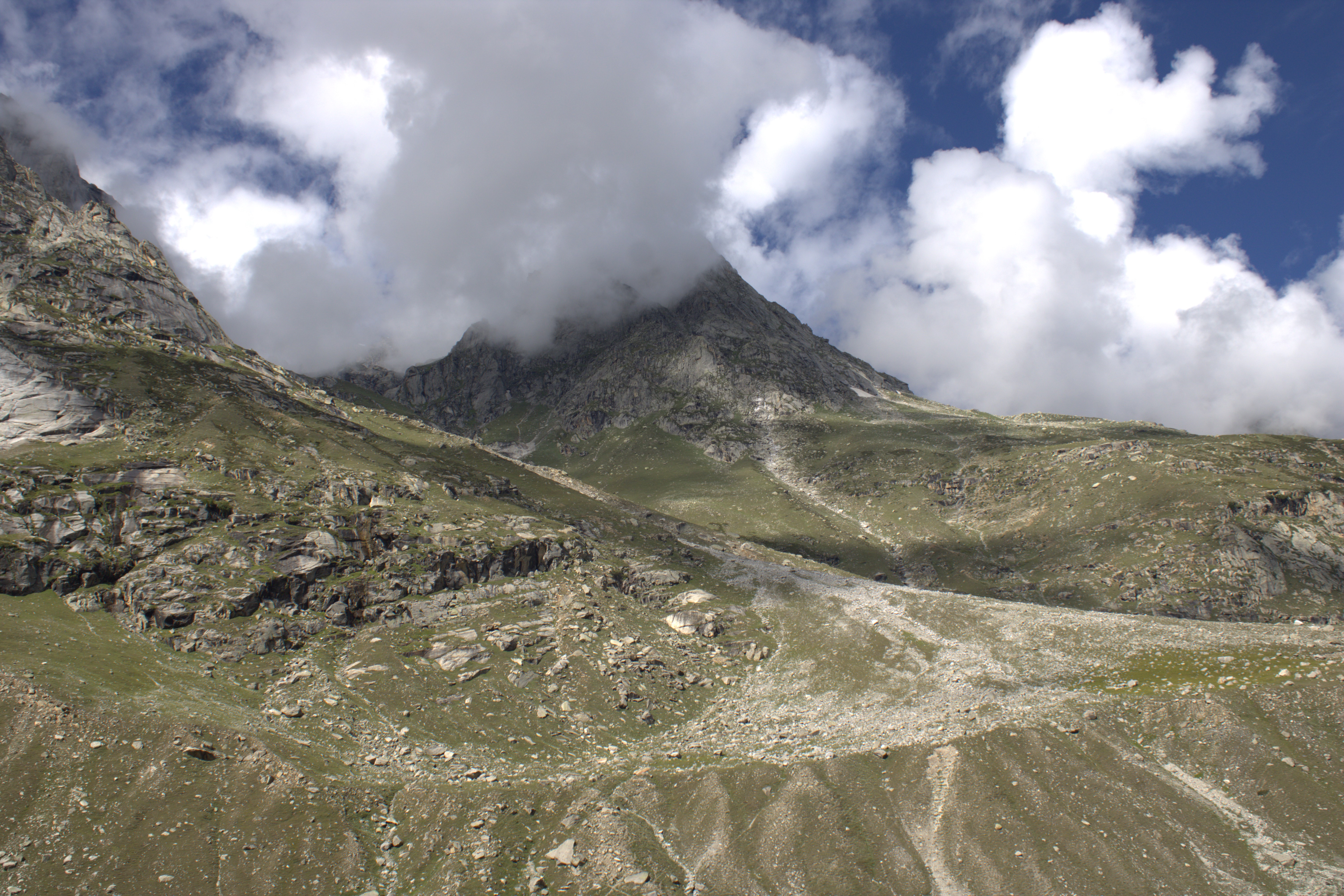
Well, it’s all about the mind-blowing transformation of the scenery. The slow-mo switch-up that unfolds from the moment you bid adieu to Manali and venture into the Kaza territory. It’s like Mother Nature decided to put on her magic show, shifting the landscapes like scenes in a movie. And trust me, that’s the sort of spectacle that sticks with you.
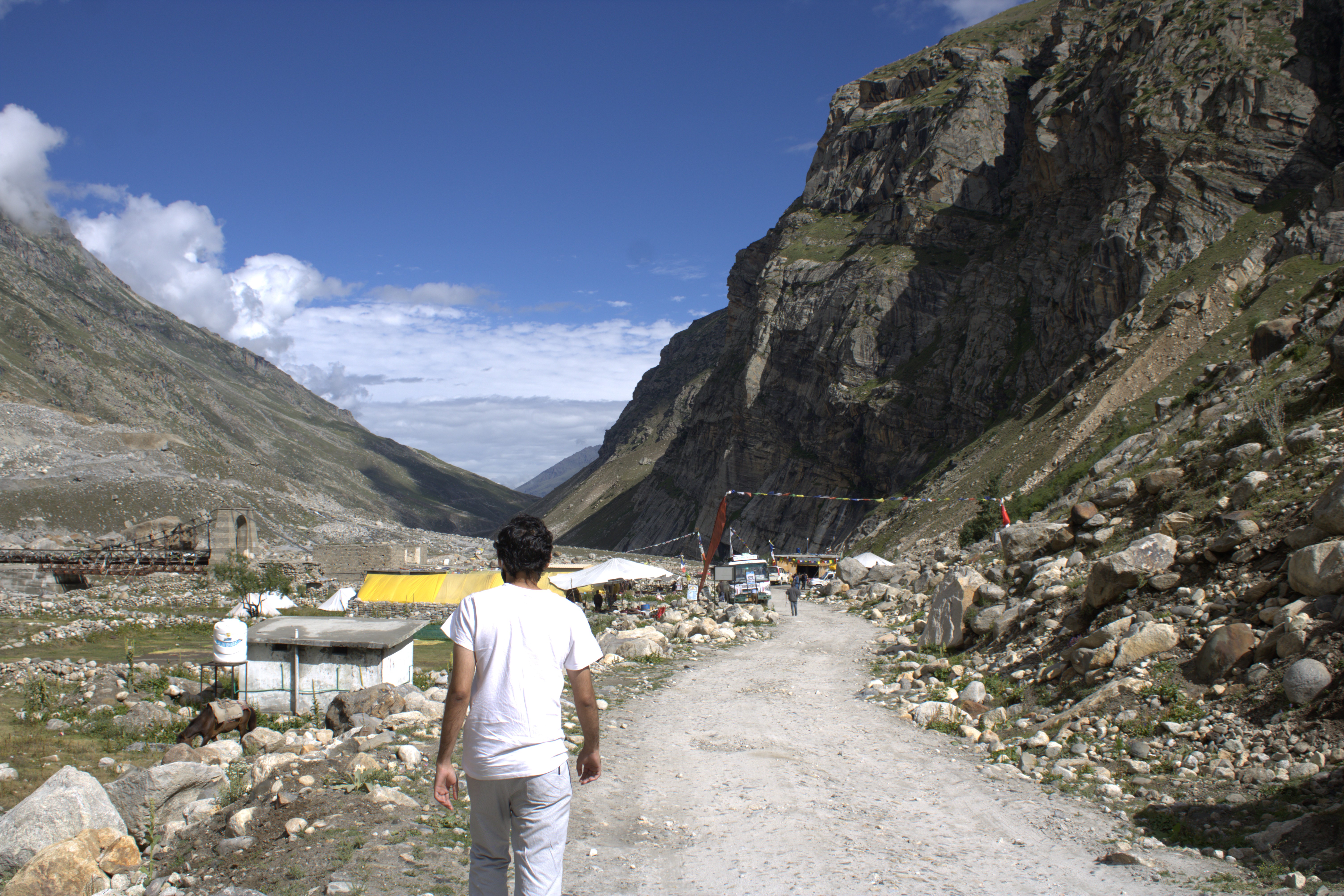
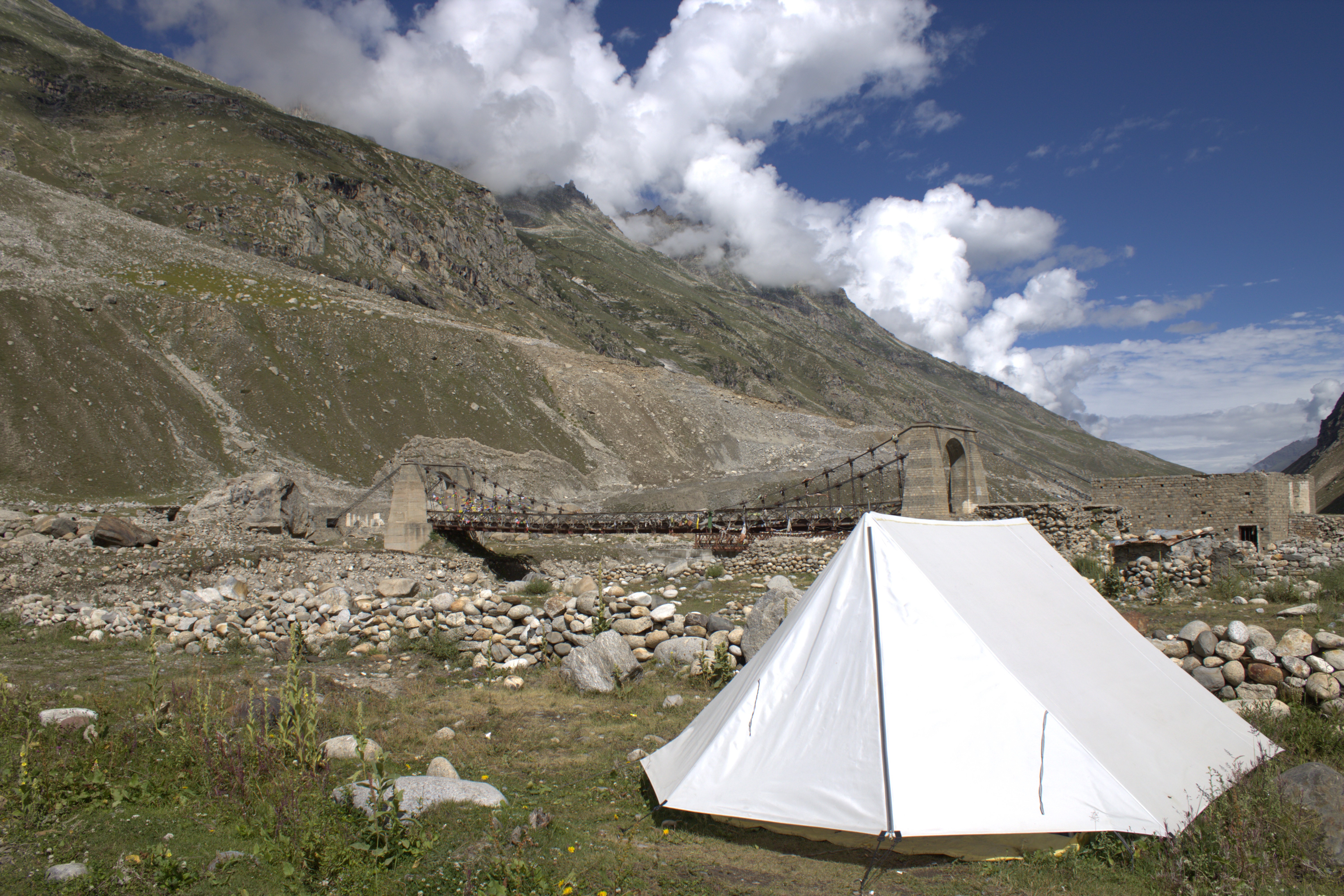
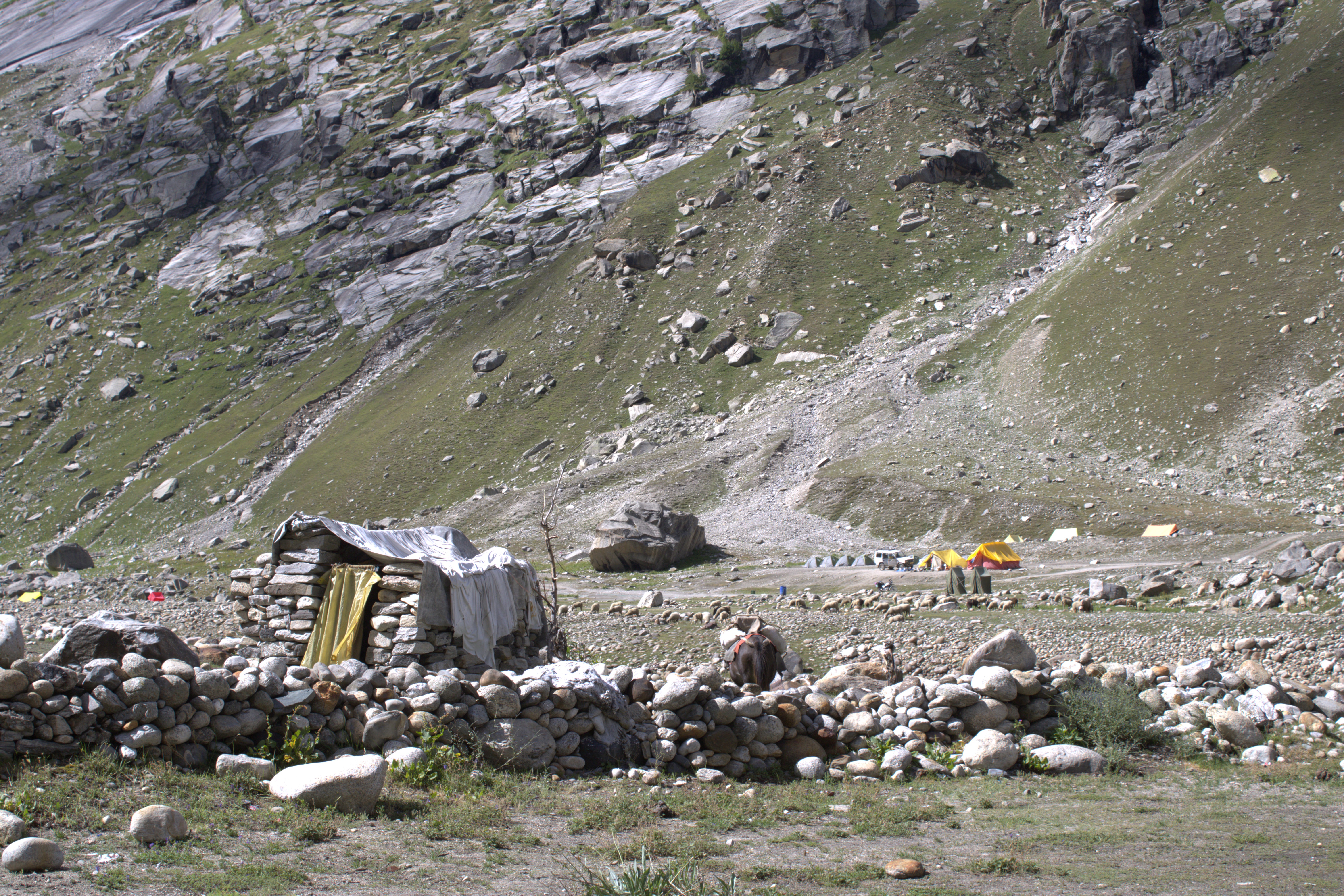
Check out the HRTC bus stops from Manali to Kaza, with homestays or guesthouses available at all points except Kunzum Pass.
- Chatru – Food and limited option for stay are available.
- Batal -You’ll find food and limited accommodation choices, along with the opportunity to engage with the renowned Chacha-Chachi at Chandra Dhaba, who have been warmly hosting visitors for over 27 years.
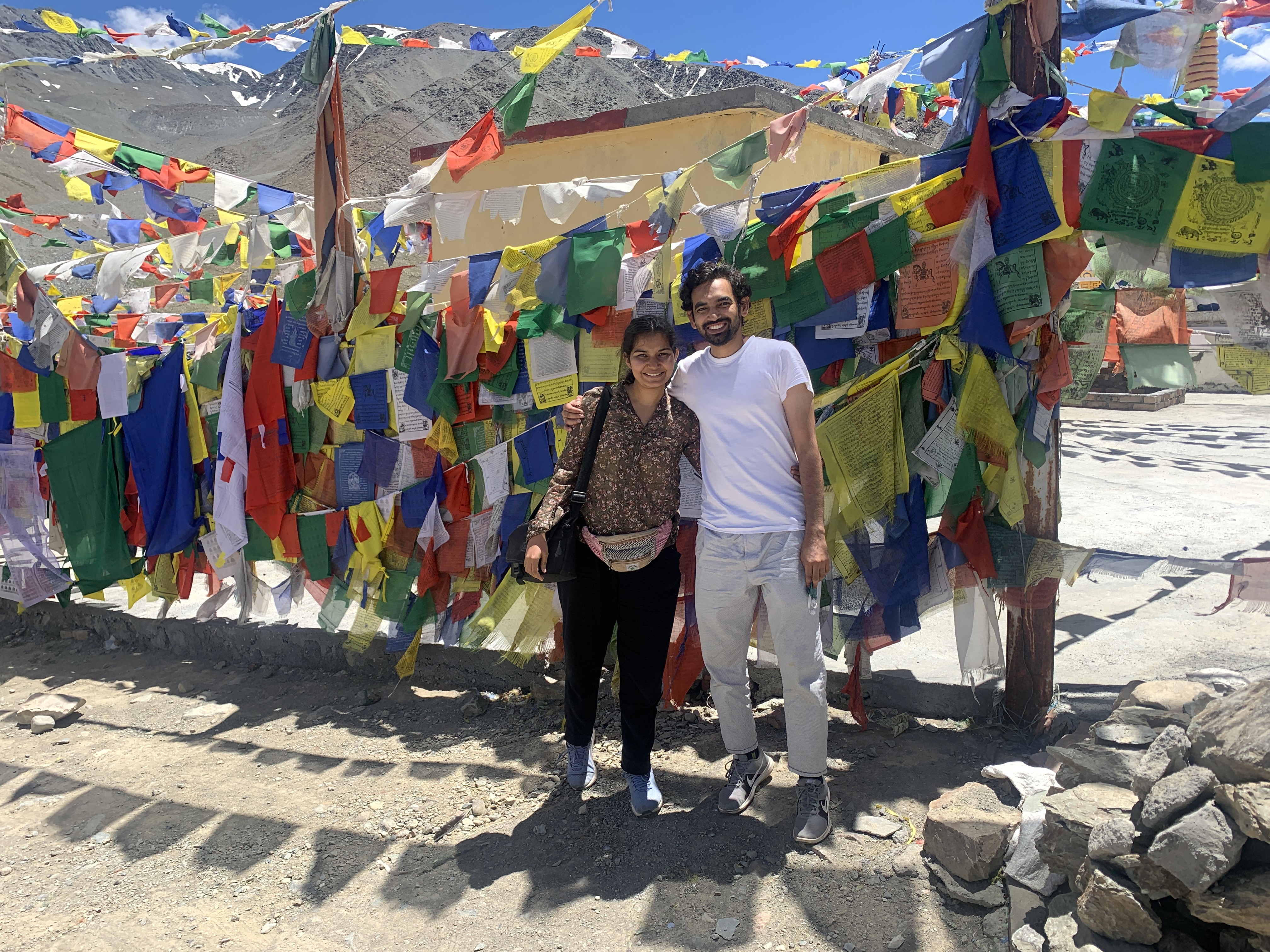
- Kunzum Pass – It connects Lahaul and Spiti, and is one of the highest passes with an altitude of 15,059 feet/4,590 m in Himachal Pradesh.
- Losar – Small restaurants, a few homestays, and guest houses are available.
Important –
- How to Handle Acute Mountain Sickness In Spiti Valley – https://vargiskhan.com/log/dealing-acute-mountain-sickness-spiti/
Day 2: Explore Kaza and nearby places
You can also visit the following destinations within a span of two days.
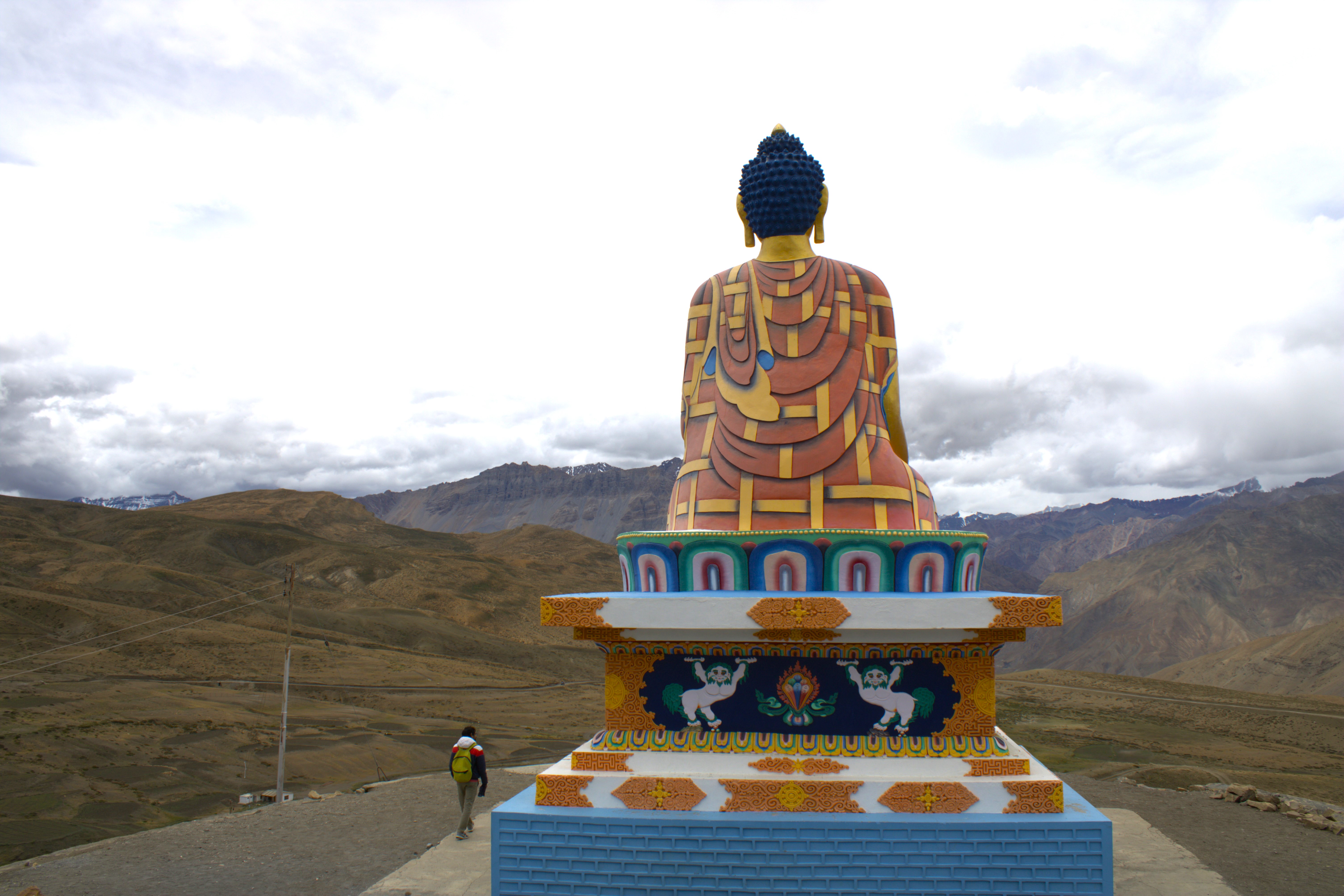
- Langza: Picturesque village is known for its stunning views and the majestic Buddha statue that overlooks the village.
- Komic: Often referred to as the Highest Village in the World Connected by Motorable Road, Komic is renowned for its high altitude and breathtaking landscapes. It’s a serene village with a small population and is home to the Tangyud Monastery.
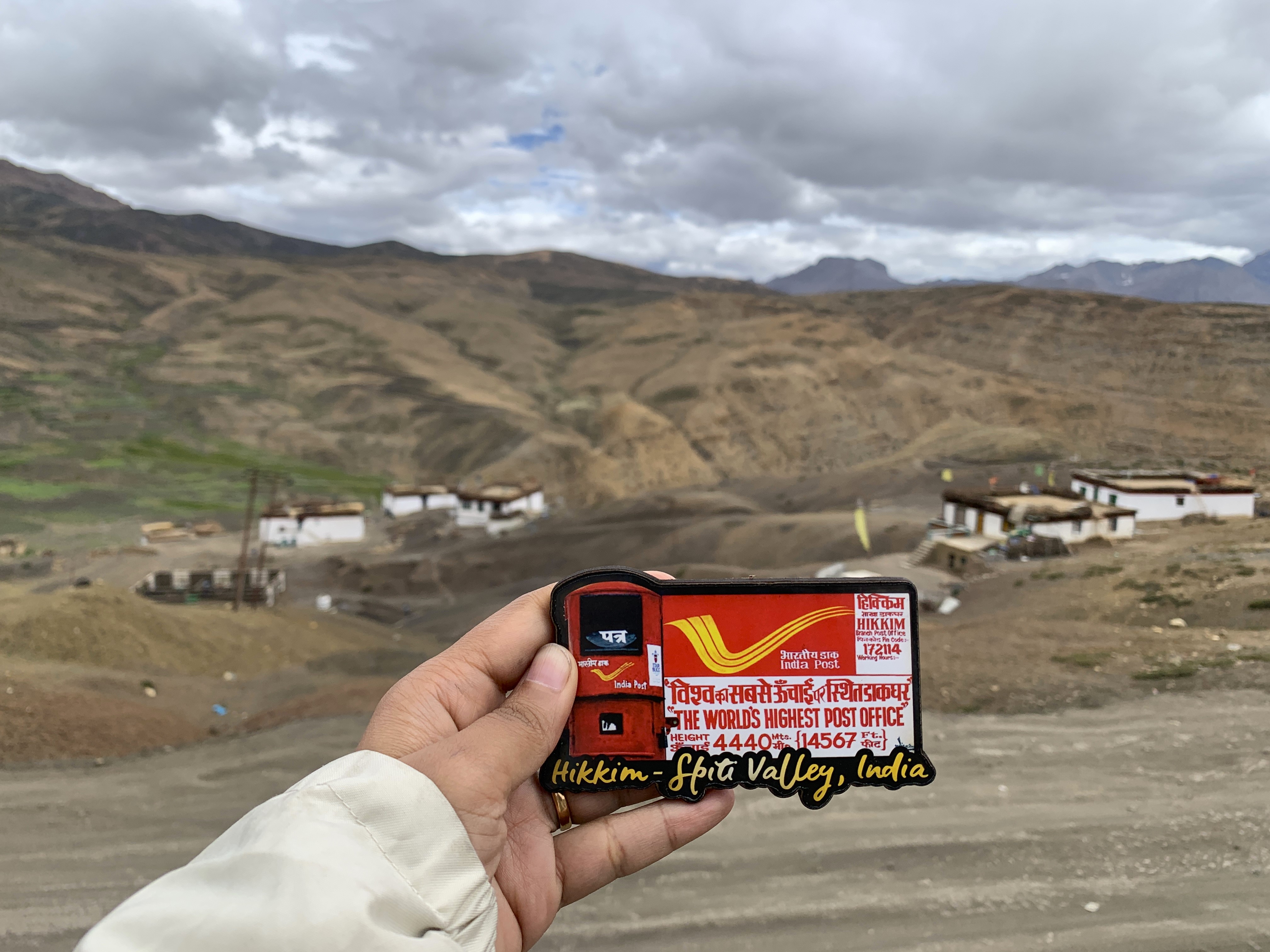
- Hikkim Post Office: Situated at a staggering altitude, Hikkim is home to the World’s Highest Post Office. Sending a postcard from here is a unique experience and a tangible way to connect with loved ones while exploring the highlands of Spiti. We also mailed a postcard, but it unfortunately never reached our dear ones.
- Key Monastery: Perched on a hilltop overlooking the Spiti River. It’s one of the most famous and significant monasteries in the region, serving as a spiritual and educational center for Buddhist monks and visitors alike.
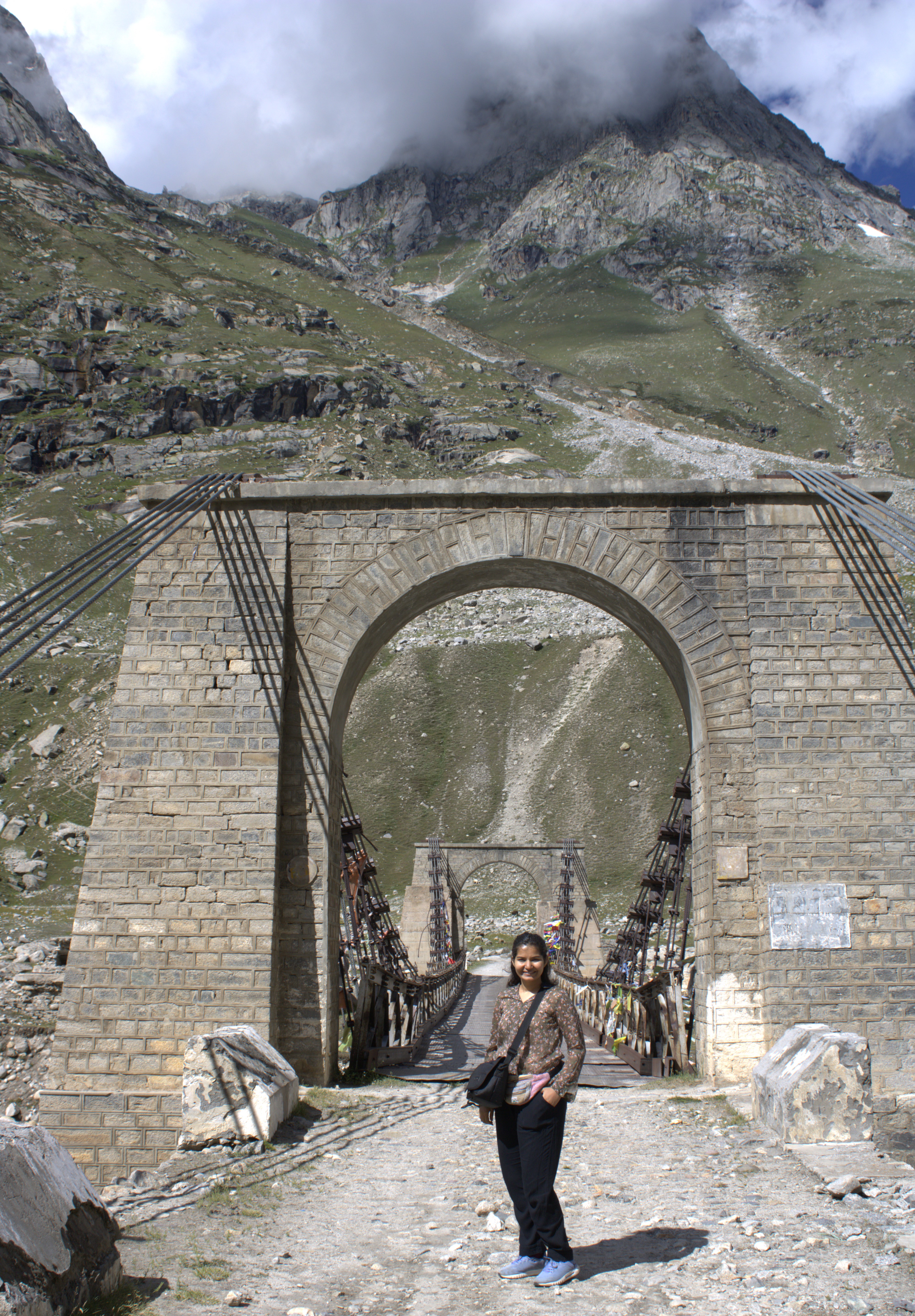
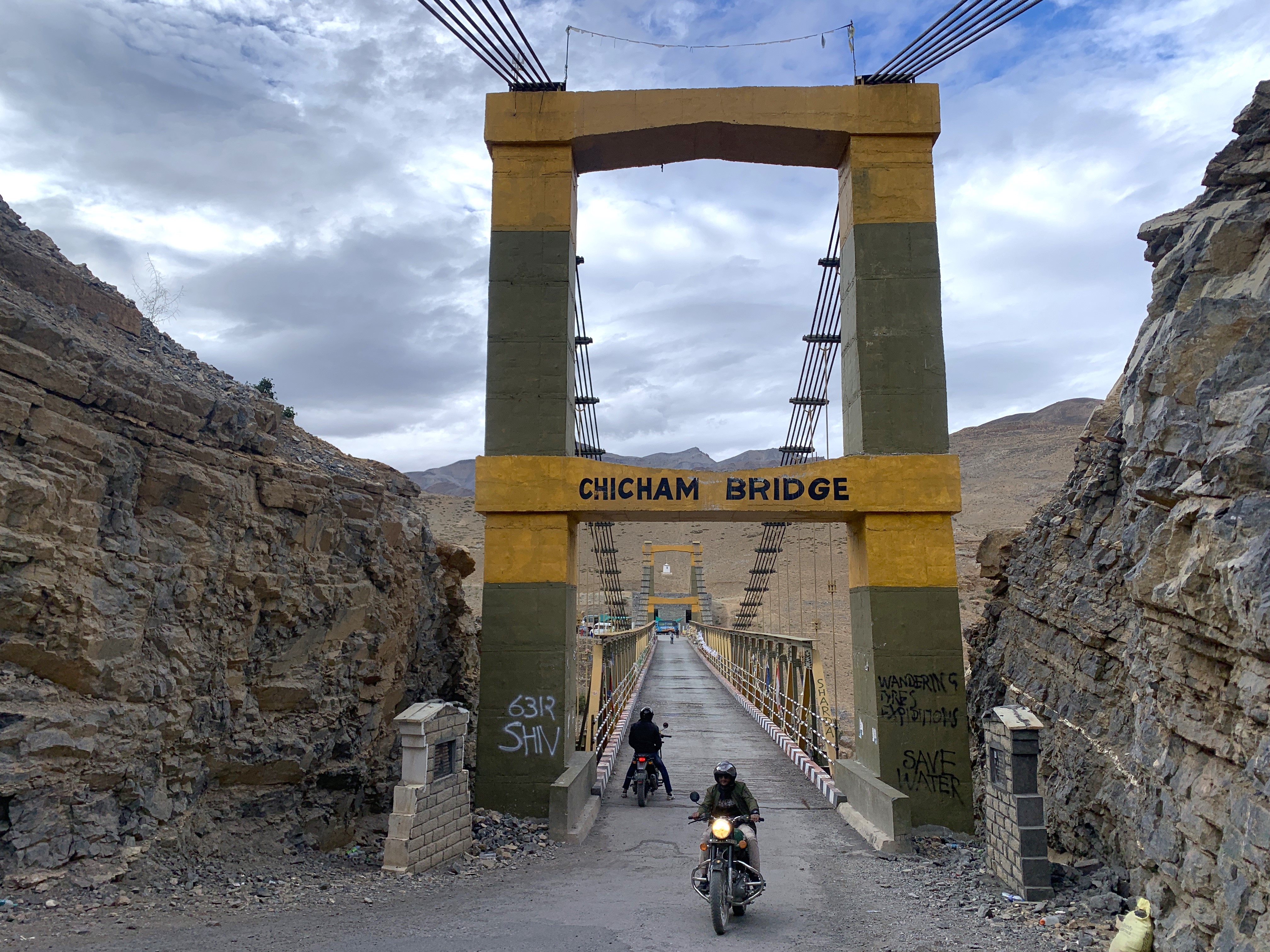
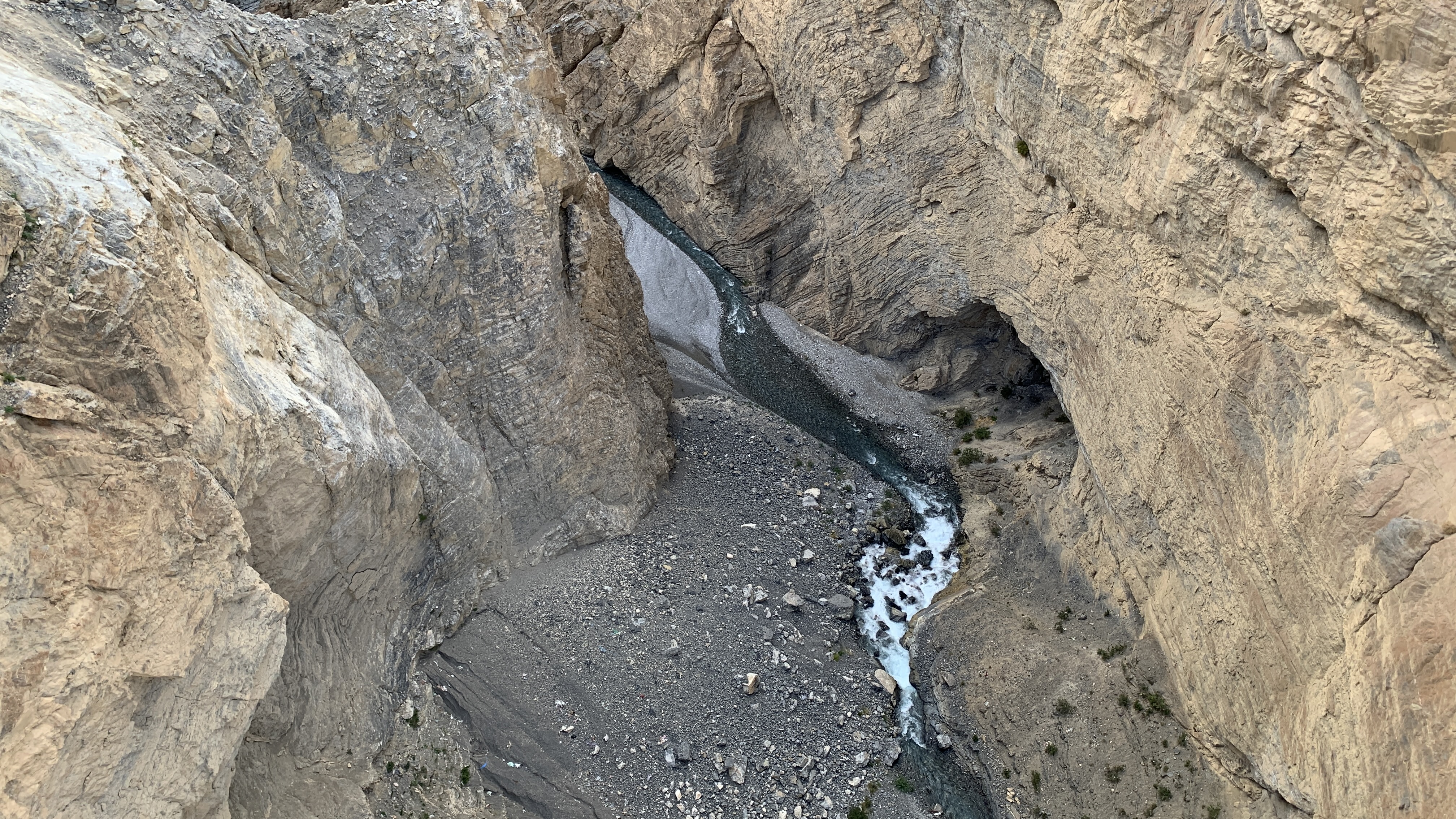
- Chicham Bridge: Engineering marvel that connects the villages of Kibber and Chicham. This suspension bridge spans a deep gorge and offers stunning panoramic views of the rugged landscape.
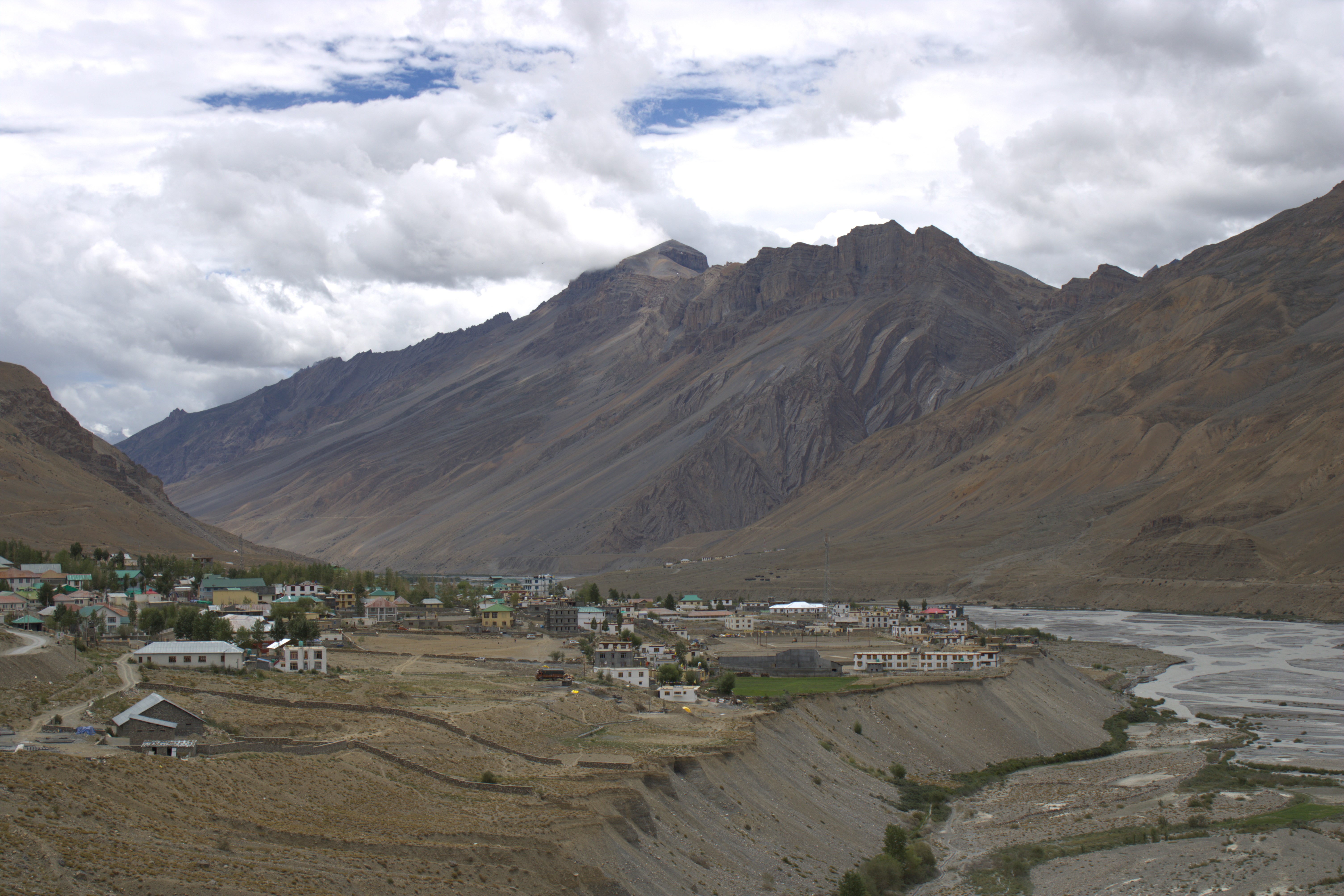
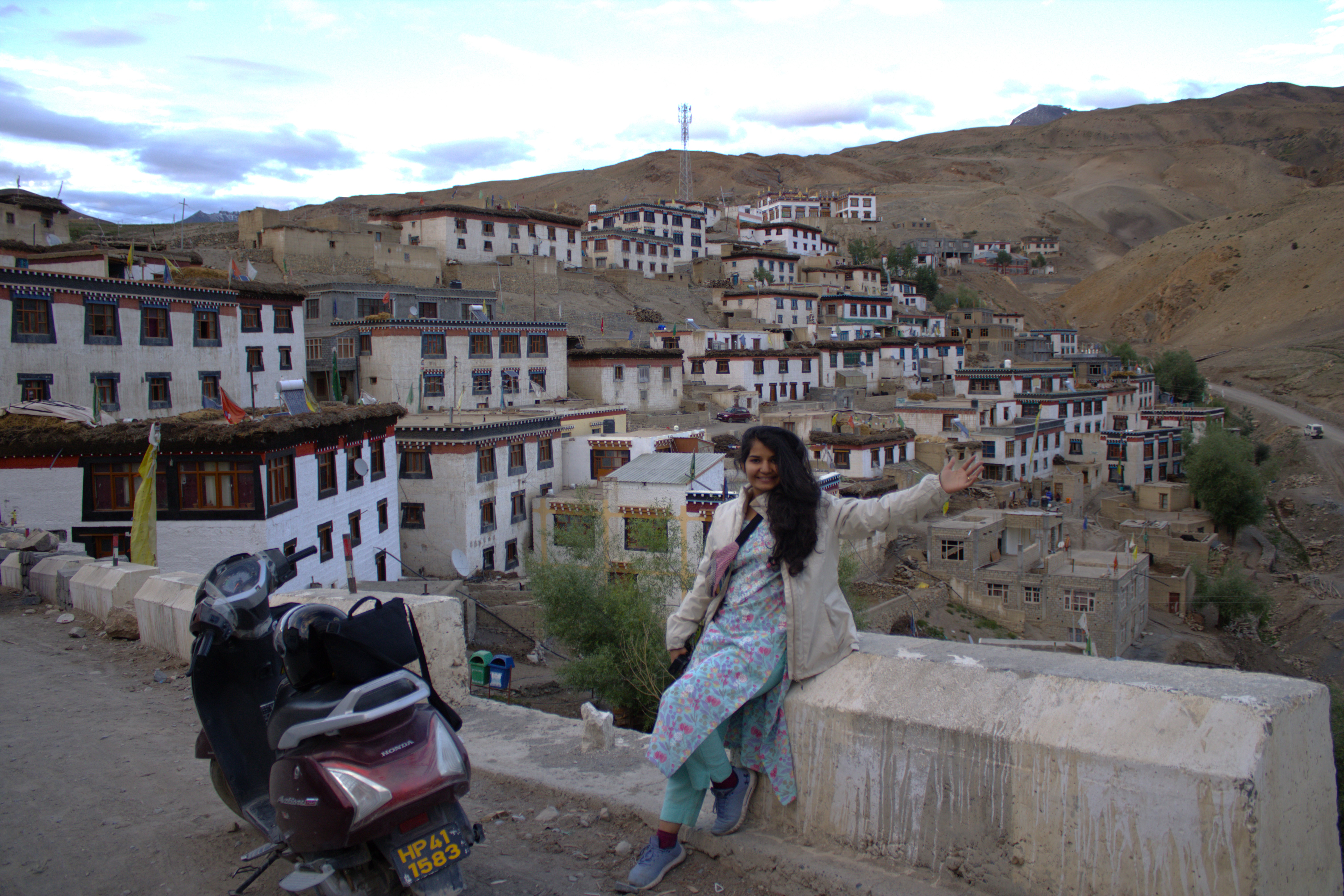
- Kibber: Get a glimpse of traditional Spitian architecture. It’s often a base for treks to high-altitude regions and is renowned for its wildlife, particularly the elusive snow leopard.

Day 3: Explore nearby places
We decided to start our adventure a bit later than usual – blame it on the fatigue from the previous day’s escapades. But guess what? This meant we were in for something unexpected – a scooty-powered (activa :)) exploration of Spiti with my partner. Yes, you read that right, a scooty!
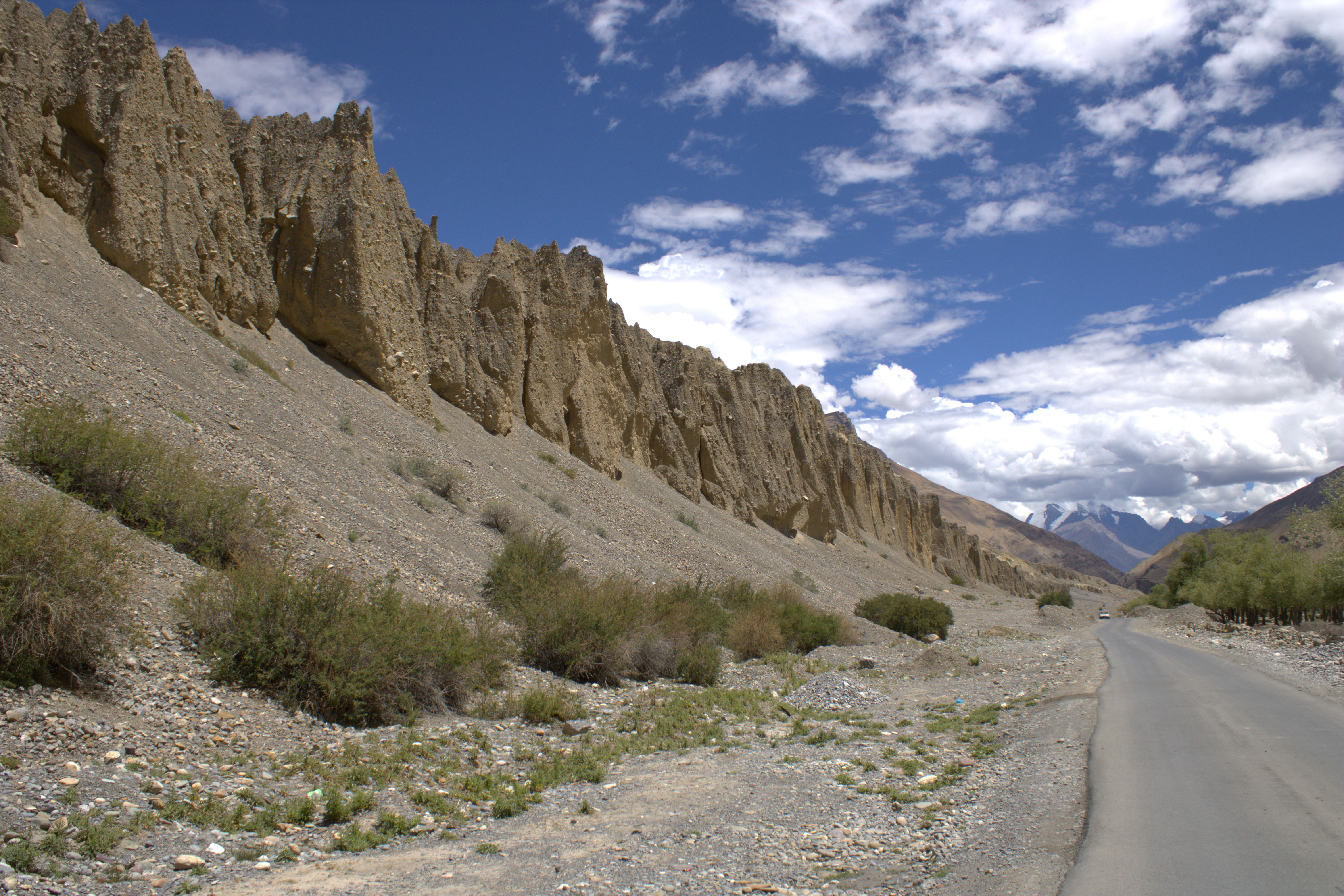
Now, let me tell you, riding a scooty through Spiti is a whole different kind of adventure. And when we hit the off-road, hilly tracks of Dhankar village, it was like leveling up in a video game. The uphill battle was real, and I got to confess, I had my moments of hopping on and off the scooty to tackle those rocky paths.
But here’s the fun part – there was this group of riders who saw us in action and actually gave us a thumbs-up. They couldn’t believe we were taking on the challenge on a scooty, and honestly, neither could we! We all shared a good laugh, bonding over our wild scooty adventure in the heart of Spiti.
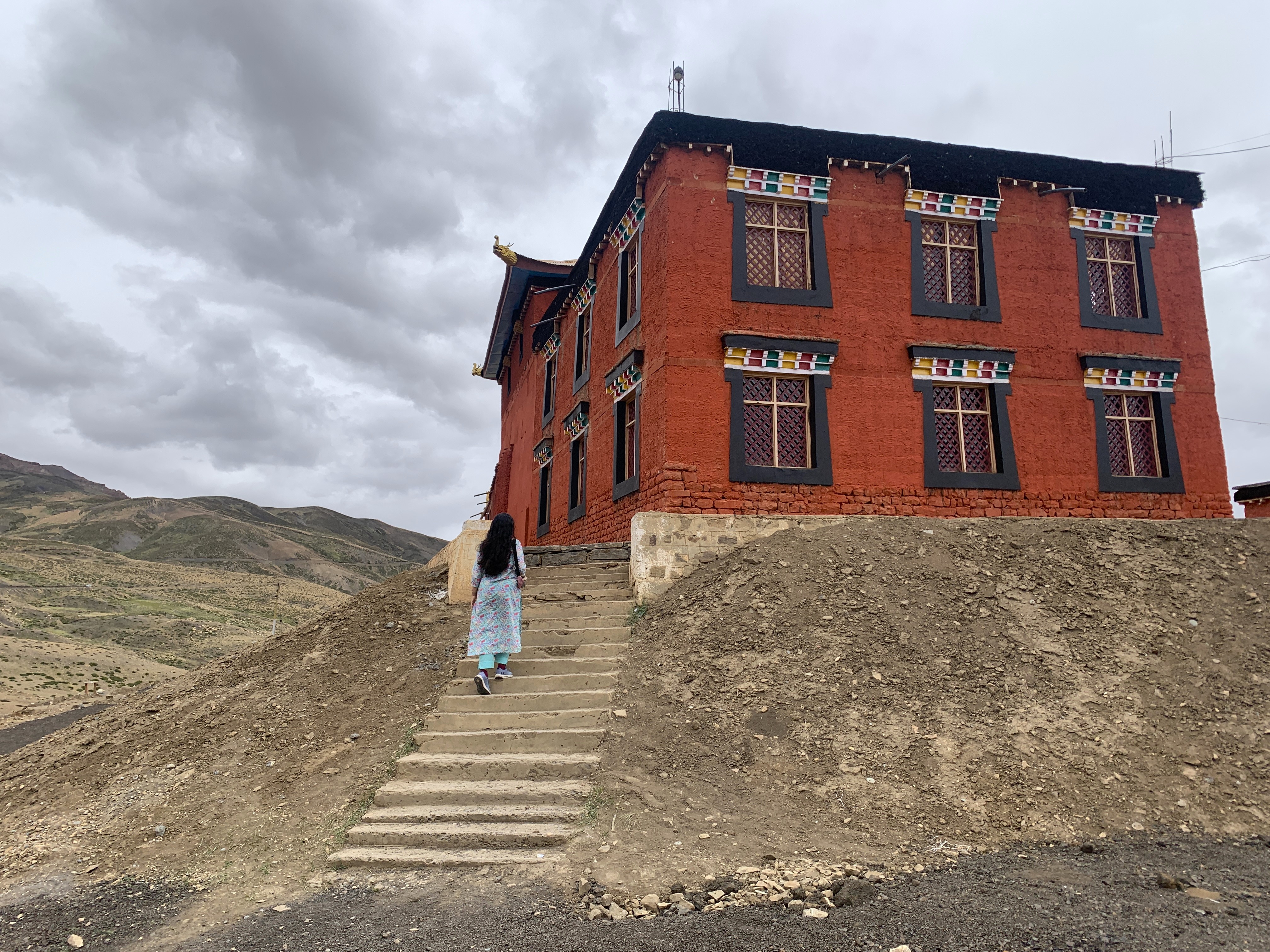
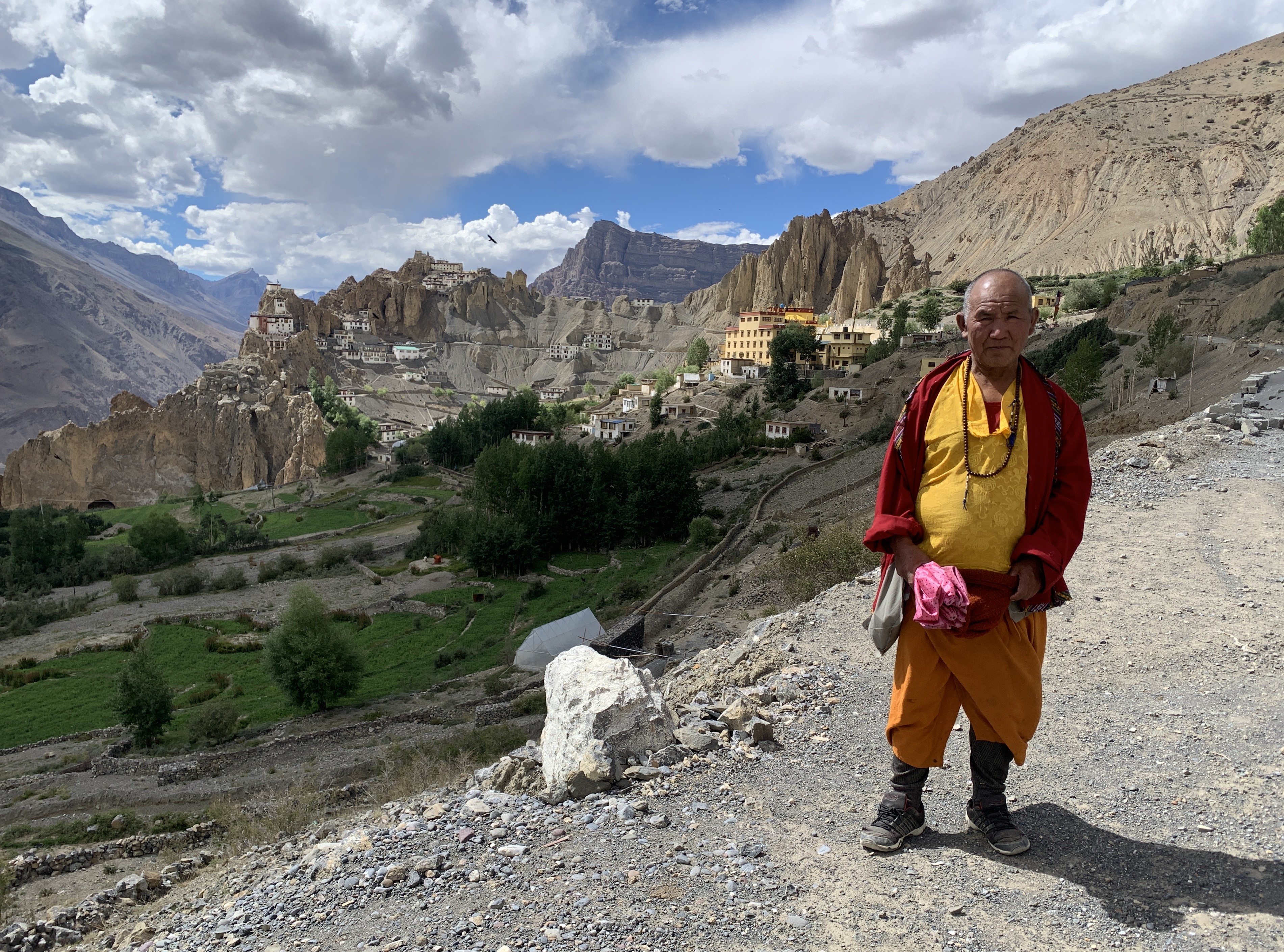
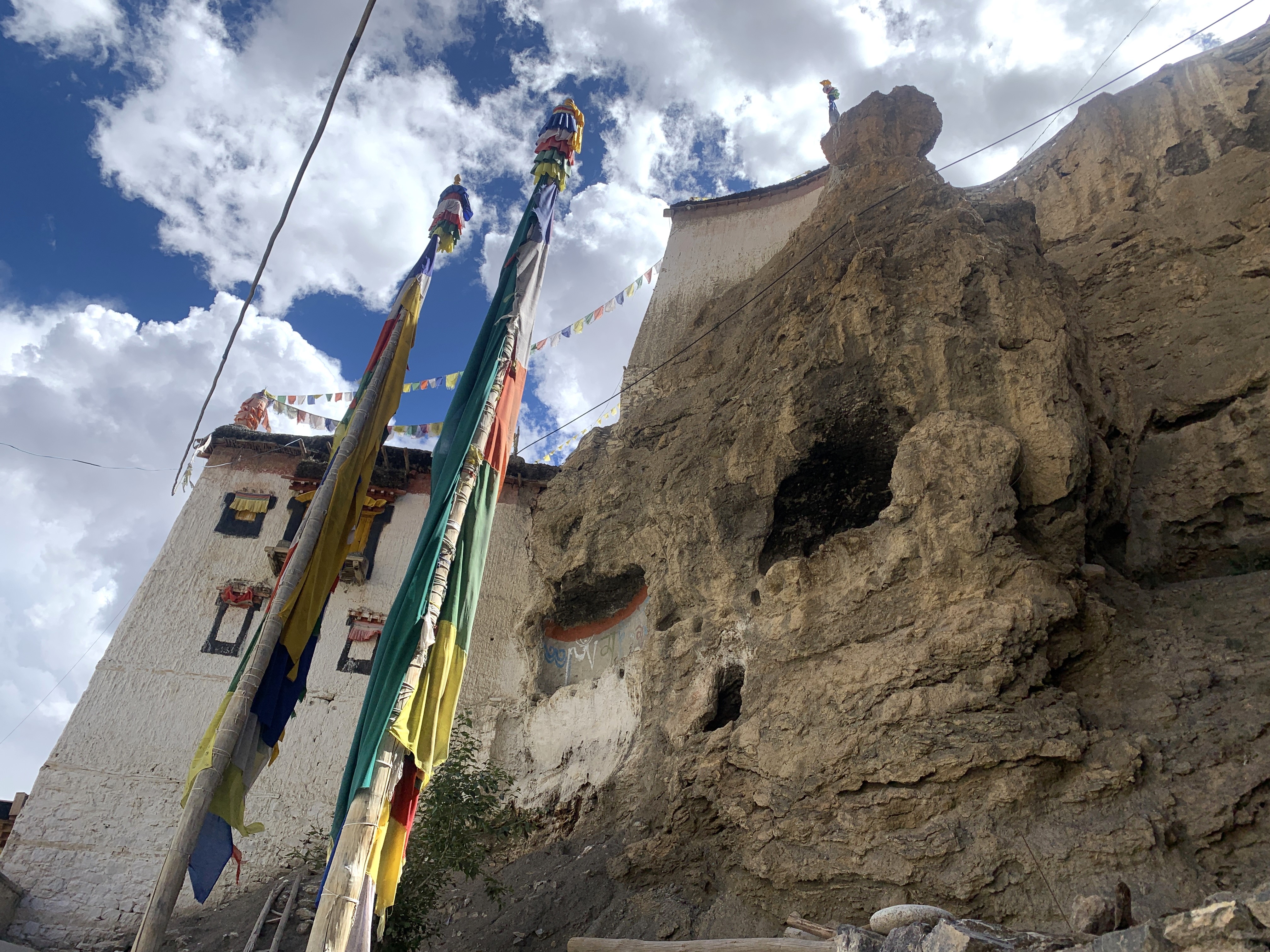
Dhankar Monastery is a 1200-year-old marvel that seemed to have stood the test of time. The monastery stood on the edge of a cliff, offering a stunning view of the valley. The locals greeted us with warm smiles, their hospitality making us feel right at home. We explored the narrow alleys, discovering hidden corners that seemed frozen in time. Every step felt like a journey into the past, with stories of generations echoing in the wind.
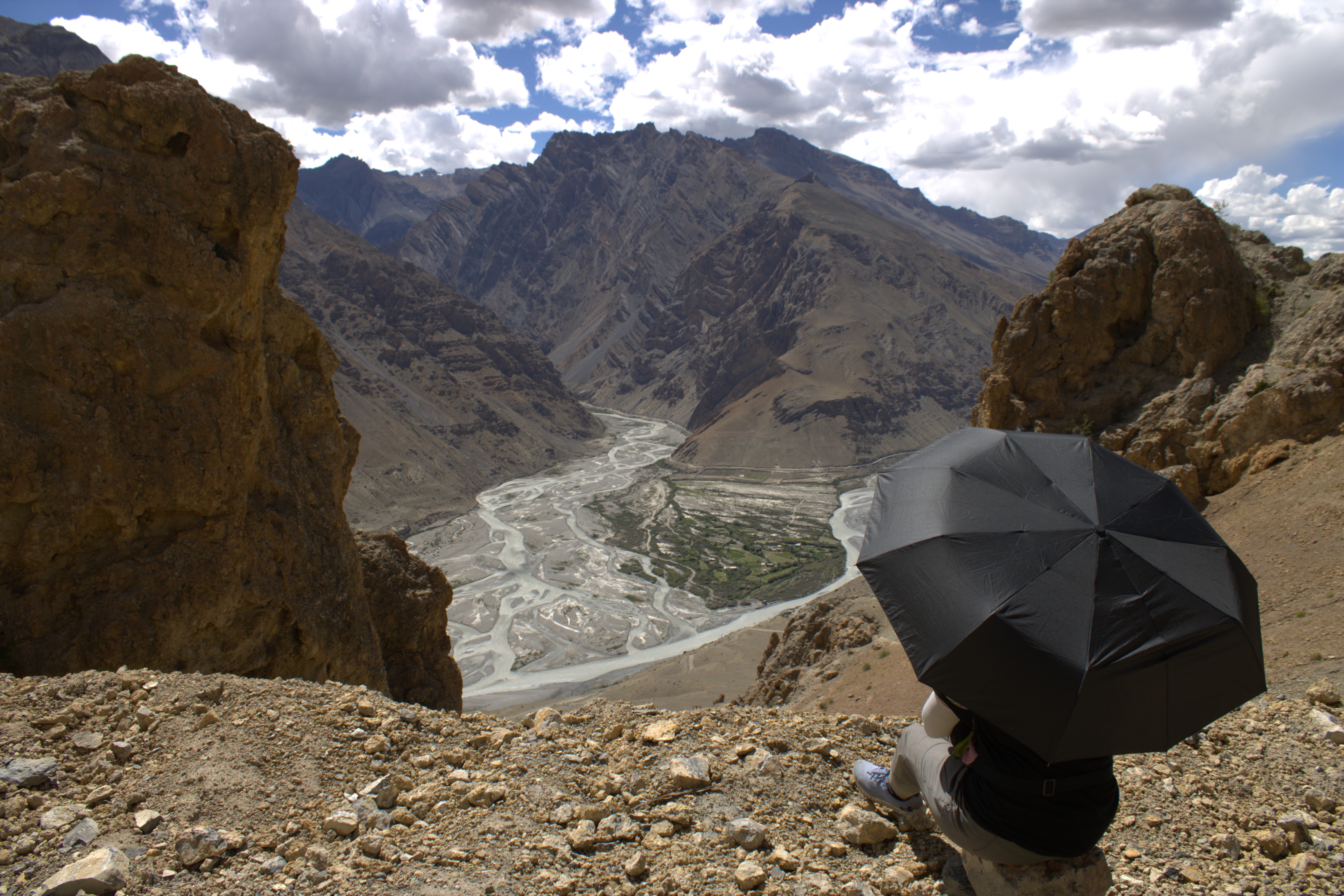
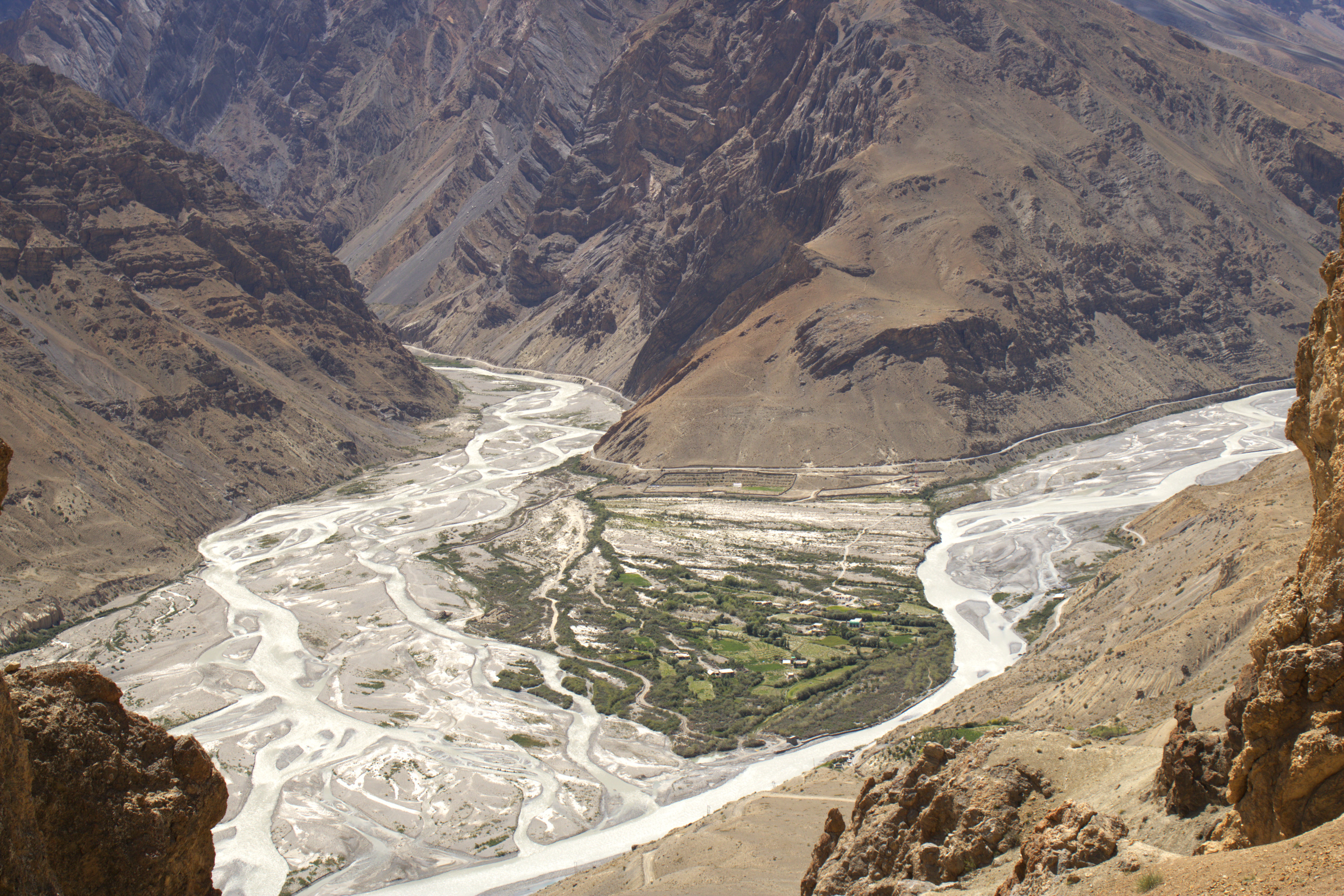
We found a sweet spot on the edge of a cliff near the monastery, treating ourselves to a panoramic view of the confluence of the Spiti and Pin Rivers. Sun was blazing, so out came the umbrella I’d smartly packed – perfect shade with an epic backdrop.
Heading back to Kaza on our scooter, rain surprised us. Strangely, I didn’t even bother with the umbrella this time. The chilly breeze and light drizzle turned the ride into a memory we won’t be forgetting anytime soon.
More things to do in Spiti
- Trek to Dhankar lake
- Visit the mummy in Giu.
- Fossil hunting in Langza
- Star gazing
- Visit Pin Valley National Park
Day 4: Travel back to Manali
You can also plan a visit to Chandratal Lake on the way back to Manali. However, we confined ourselves to the bus journey, skipping Chandratal due to its inaccessibility by bus and our reluctance to walk from Batal or rely on hitchhiking.
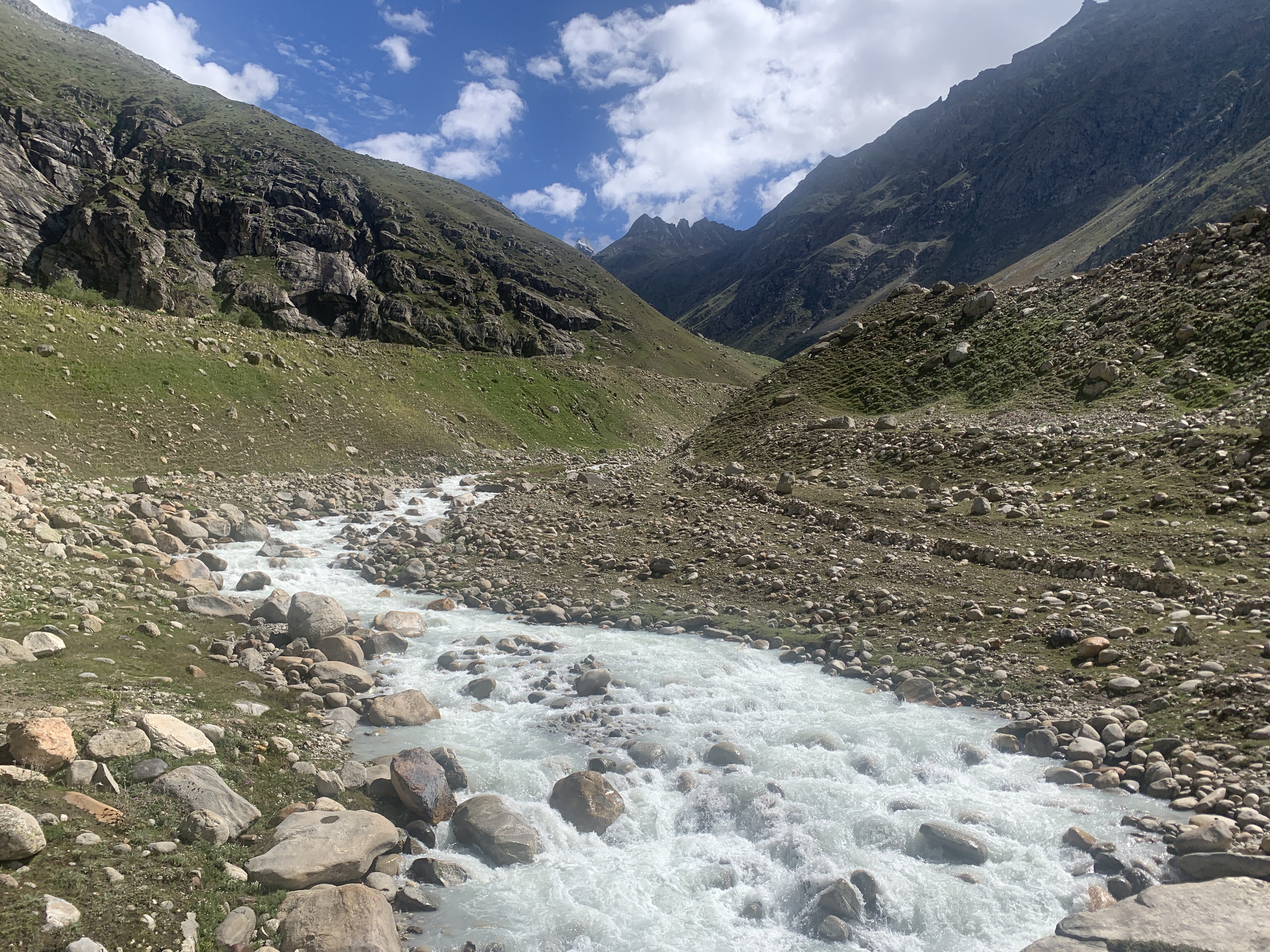
Best time to visit Spiti Valley?
Spiti Valley can be accessed by road travel. Kaza, the main town in Spiti, can be reached through two routes – one via Manali and the other via Shimla. The Shimla route is open year-round, except for occasional closures due to heavy snowfall or landslides during intense rainfall. Consider planning your trip for the summer (April-July) or autumn (October-November). The Manali route is generally accessible from June/July to October/November. Before choosing the Manali route, it’s advisable to check the conditions of Kunzum Pass.
Unlike Ladakh, self-driving is permitted in Spiti Valley, yet if you lack advanced off-road driving skills in mountainous terrain, it’s advisable to travel with experienced drivers. It’s recommended to avoid the monsoon and extreme winter months.
Route 1: Via Manali
- Take a flight to Bhuntar Airport, or secure a seat on a direct bus from Delhi or Chandigarh to Manali. (By Air – ~2 hr | By Road – Overnight journey)
- You can hop on a local bus from the bus stand or hire a taxi heading towards Manali. (Both take similar time)
- For those traveling on a tight budget, consider reserving a seat on an HRTC bus from the Manali bus stand. There’s a single bus departing Manali at 6:00 am, arriving in Spiti around 4 pm. Alternatively, you have the option to book a shared or private taxi from the taxi stand on Mall Road, offering more flexible timing.
Route 2: Via Shimla
- Direct buses and flights are available from Delhi to Shimla.
- Direct buses from Shimla to Kaza. You can also drive yourself and explore places on the way.
To complete the Shimla – Spiti – Manali circuit, follow this itinerary – Spiti Valley’s most common itinerary
Where to stay and eat in Spiti?
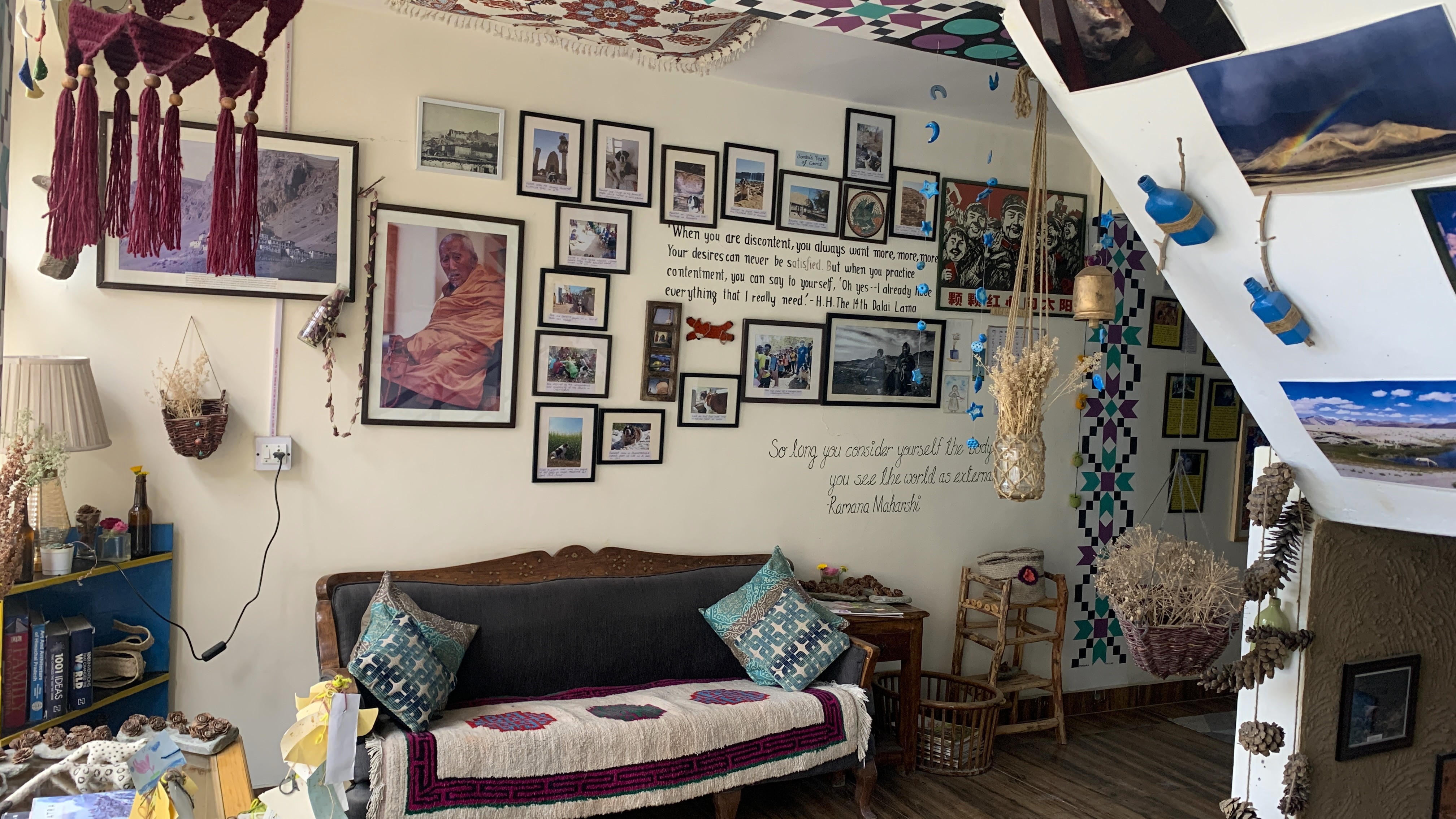
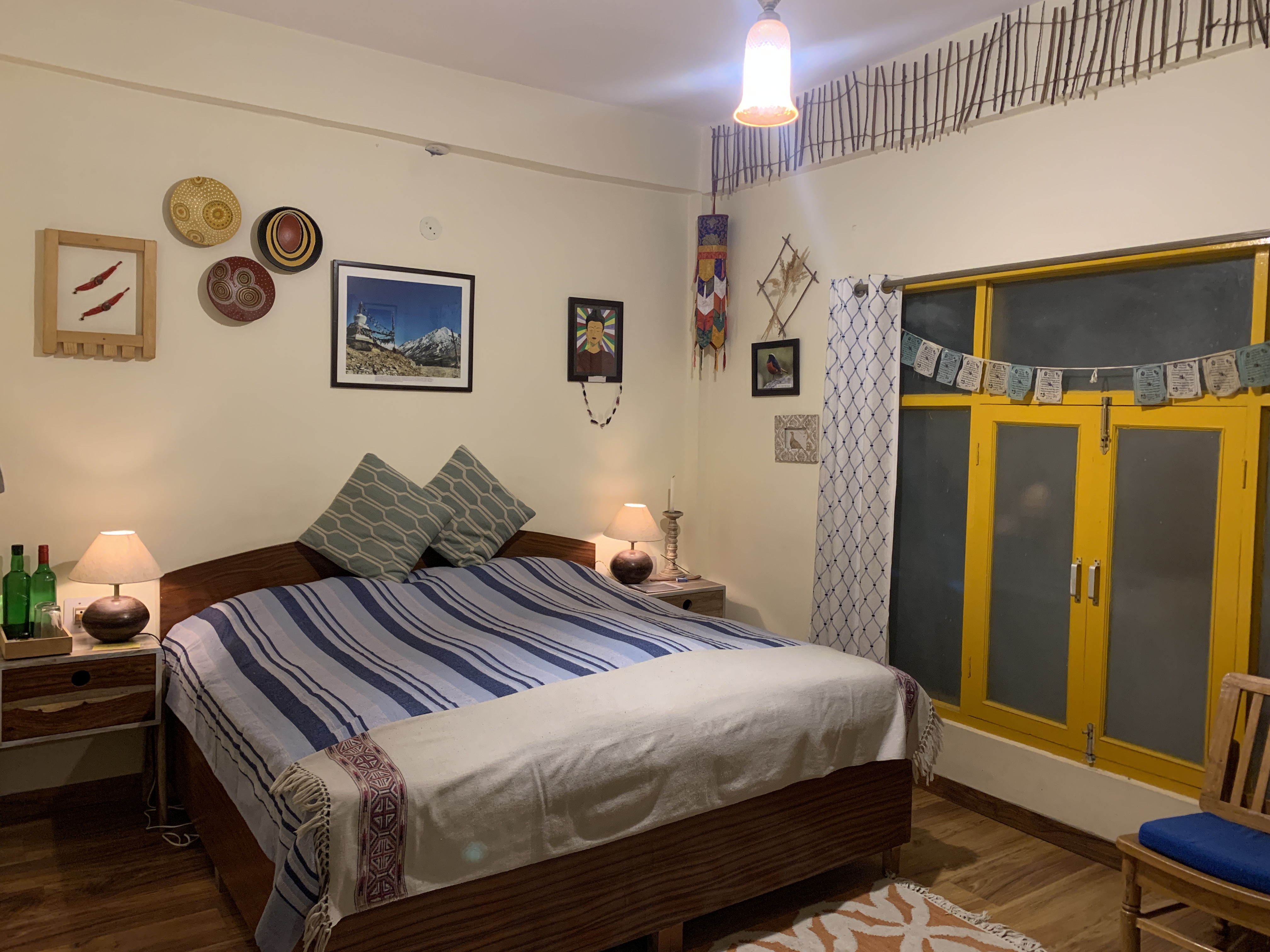
There are a bunch of options, from chill homestays to comfy guest houses and hotels. But hold up, let me spill the tea on our absolute favorite, Hotel Deyzor in Kaza. Seriously, it’s like stumbling upon an oasis right smack in the middle of that chilly desert vibe.
You walk into Hotel Deyzor and it’s like stepping into a curated wonderland. The rooms? Oh, they’re not just rooms – they’re art pieces. The café? Total aesthetic goals. And get this, they’ve decked the place out with trinkets and mementos from all over the place – both home turf and the far reaches of the world map.
It’s not just about the swanky decor. Nope, every inch of this place oozes vibes of compassion and kindness. You could be sippin’ your morning coffee or just finding a cozy nook to chill, and there’s this energy in the air that’s all about spreading good feels.
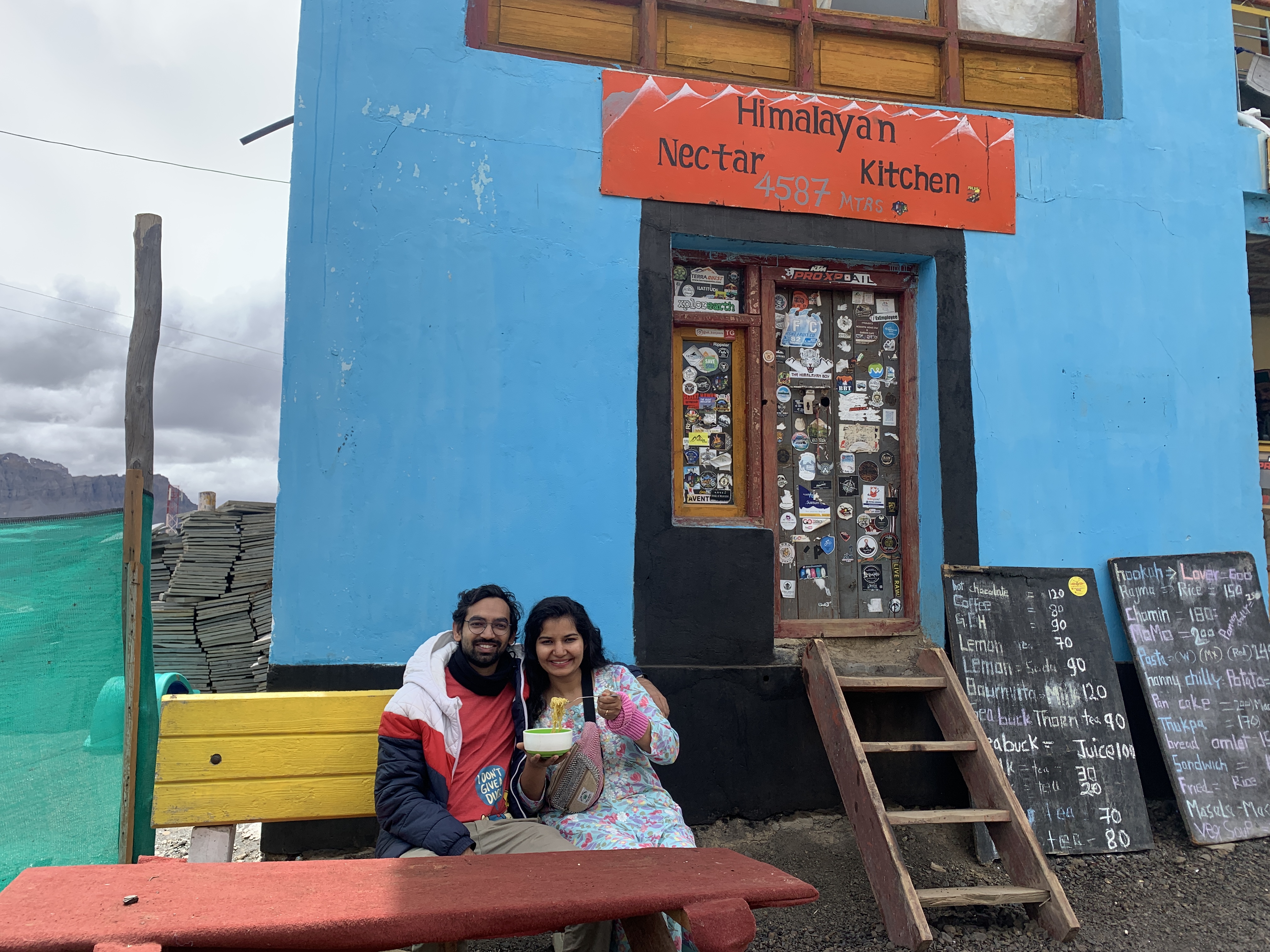
Other options are Norbukhang Homestay and The Mudhouse Homestay.
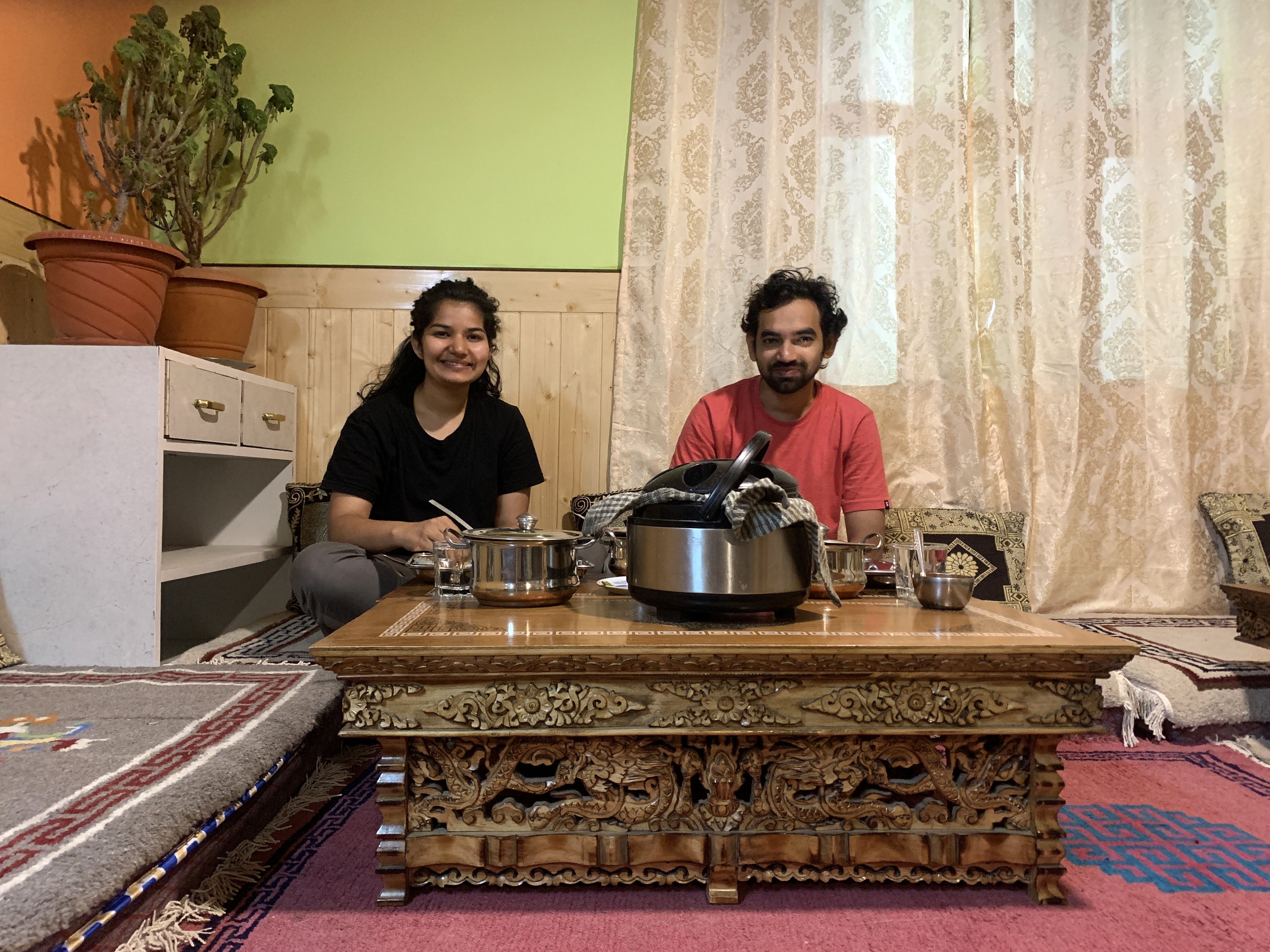
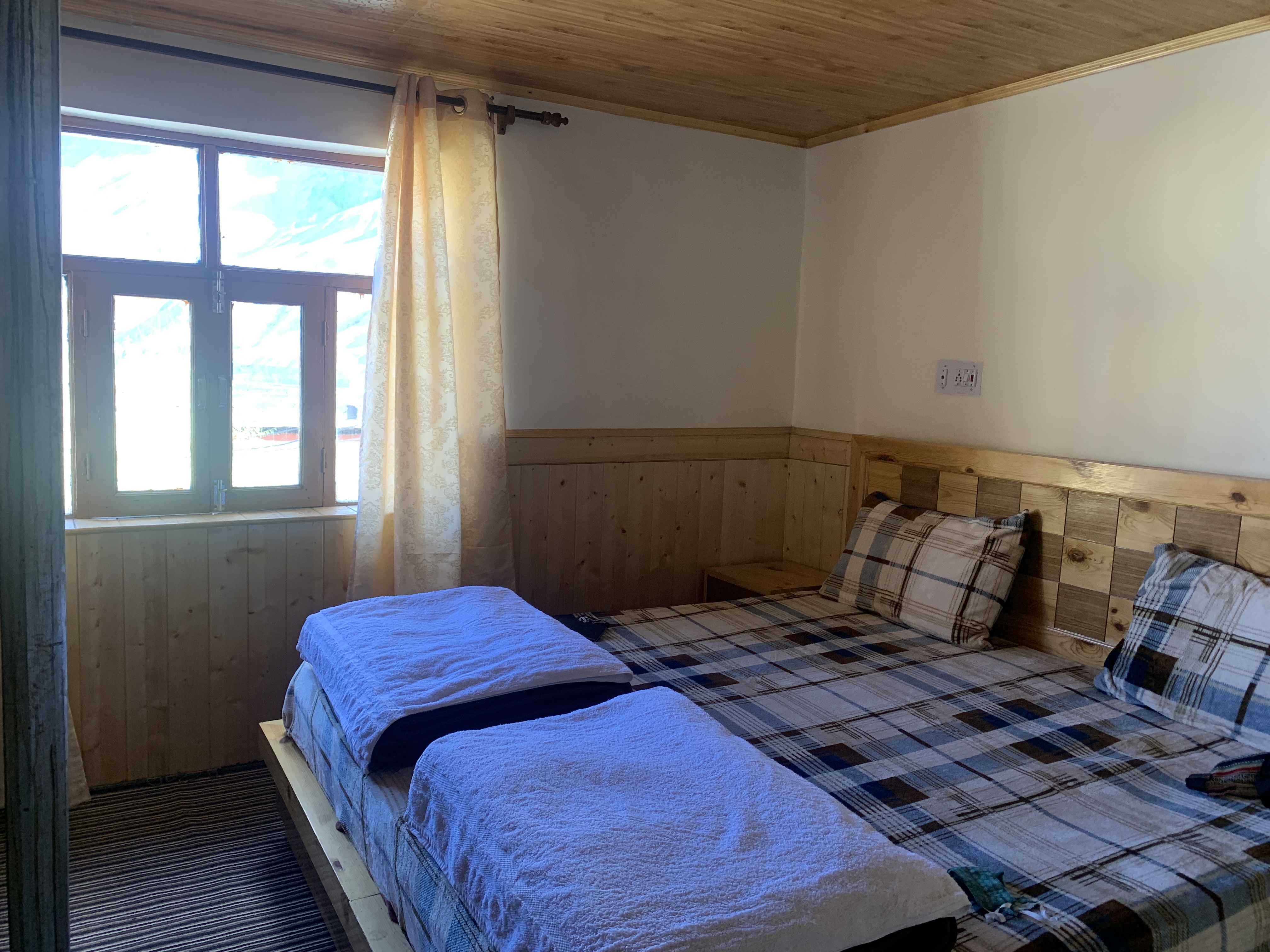
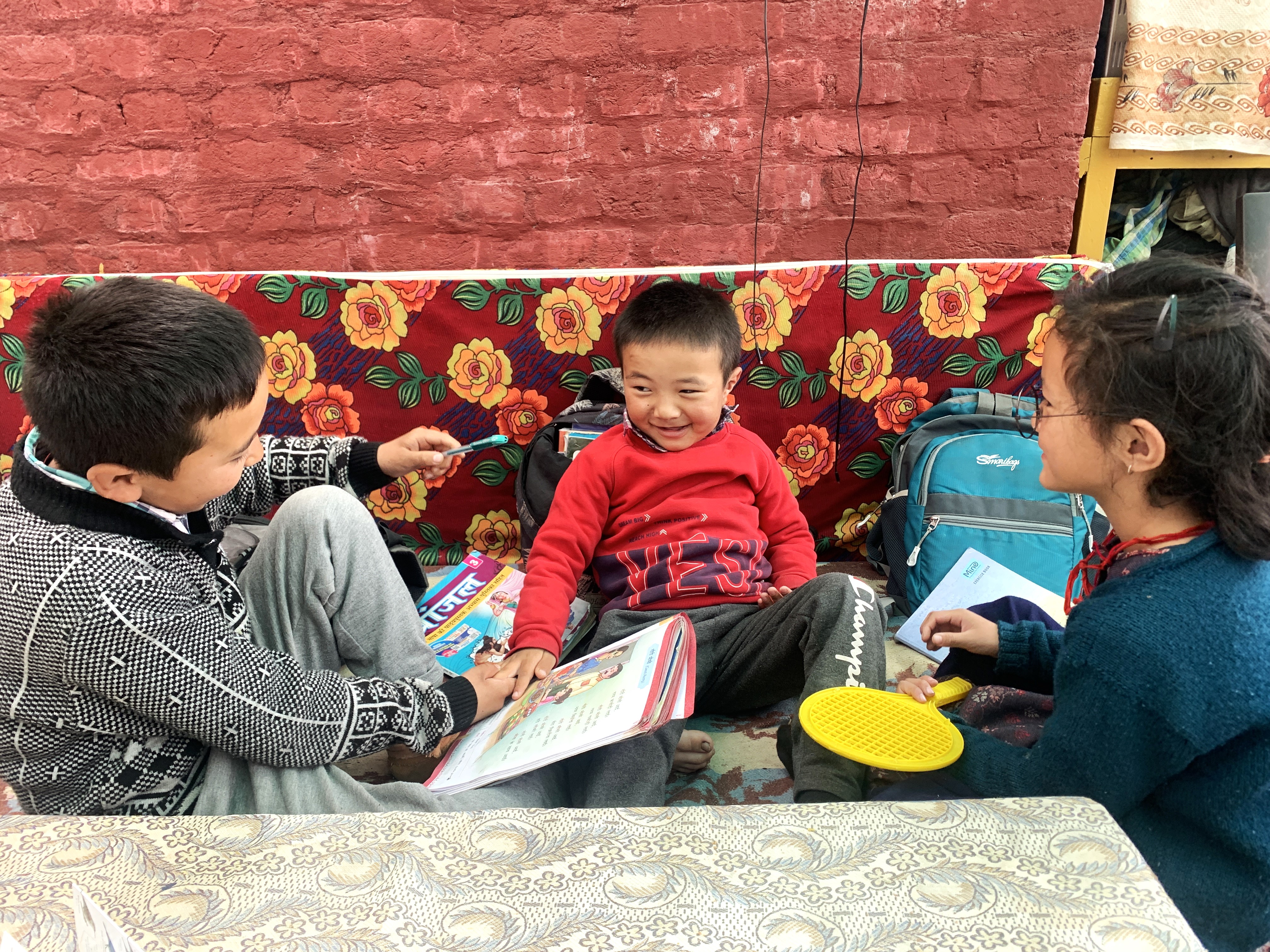
Additionally, you have the option to arrange an overnight stay at a homestay in locations such as Kibber, Langza, Dhankar, and others. It’s important to be aware that these villages offer limited choices in regard to grocery stores and dining facilities.
Spiti, you’ve surprised us at every turn! We will visit you soon 🙂 🙂
 CurlyGirlyTravely
Amazingly detailed blog with tremendously handy information for the potential traveller!I too have explored this area & have posted blogs on my site !Pl find time to go through at your convenience!Thanks for sharing !
LikeLiked by 1 person
Thank you so much for your kind words! I’m glad you found the blog detailed and useful. I’ll definitely check out your posts as well—it’s always great to connect with fellow travellers. Thanks for sharing!
LikeLiked by 1 person
Thanks in advance for taking out time for going through my site!You will relish the posts surely!Looking forward to your visit in anticipation 🙏
LikeLiked by 1 person